






- This topic is empty.
-
AuthorPosts
-
2026-03-09 at 2:30 pm #15498
Fiberglass satin woven cloth is a material that quietly underpins many high-performance applications—from wind energy and transportation to construction and electronics. While it may look similar to other fiberglass fabrics at first glance, its satin weave structure gives it a distinctive set of performance advantages that engineers, designers, and manufacturers rely on when surface quality, strength balance, and process stability matter.
This article takes a practical look at what fiberglass satin woven cloth is, why it performs differently from plain or twill weaves, and how experienced manufacturers like Changshu Jiangnan Fiberglass Co., Ltd. translate material science into consistent industrial value.
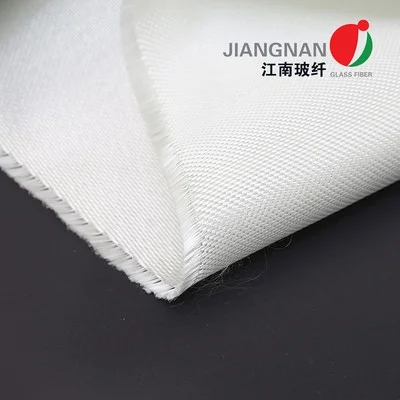
What Is Fiberglass Satin Woven Cloth?
Fiberglass satin woven cloth is produced by interlacing continuous fiberglass yarns in a satin weave pattern—typically 4-harness or 8-harness satin. In this structure, warp or weft yarns “float” over multiple yarns before interlacing, creating a smoother surface and a more uniform fabric appearance.
Compared with plain weave (over-one-under-one) or twill weave (diagonal patterns), satin weave fabrics are characterized by:
-
Fewer interlacing points
-
Longer yarn floats
-
A flatter, smoother surface
-
Improved drapability
These structural differences directly influence mechanical behavior, resin wet-out, and surface finish in composite applications.
Key Performance Advantages in Real Applications
1. Superior Surface Smoothness
One of the most noticeable advantages of fiberglass satin woven cloth is its smooth surface. The longer yarn floats reduce fabric crimp, resulting in a flatter profile. In practice, this means:
-
-
AuthorPosts

- You must be logged in to reply to this topic.