






- This topic is empty.
-
AuthorPosts
-
2026-04-13 at 2:04 pm #15766
In modern industrial manufacturing, precision, efficiency, and repeatability are more important than ever. Among the tools that help achieve these goals, the orbital cutting machine has become a critical solution for pipe processing, tubing fabrication, and high-precision cutting applications. Whether used in pharmaceutical production lines, oil and gas pipelines, or food-grade stainless steel systems, orbital cutting machines provide clean, accurate, and burr-free cuts that traditional manual methods cannot consistently achieve.
This comprehensive buying guide will walk you through everything you need to know before investing in an orbital cutting machine, including how it works, key features, selection criteria, industry applications, and common purchasing mistakes.
1. What Is an Orbital Cutting Machine?
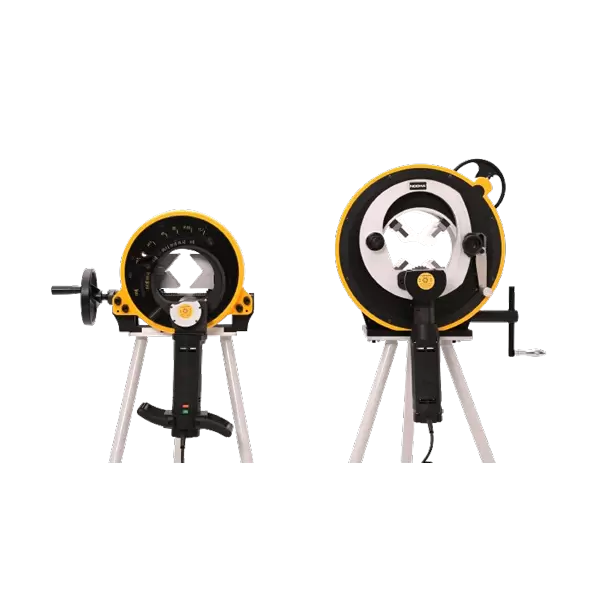
An orbital cutting machine is a specialized industrial tool designed to cut pipes and tubes by rotating a cutting head around the circumference of the material. Unlike handheld or stationary saws, the machine is clamped onto the pipe and moves in a controlled circular path—creating a perfectly even cut.
This “orbital” motion ensures:
-
High cutting precision
-
Consistent perpendicular cuts
-
Minimal material deformation
-
Burr-free pipe ends suitable for welding
According to industrial engineering references, orbital cutting systems are widely used because they significantly improve accuracy and efficiency in pipe preparation compared to manual cutting methods.
2. How Orbital Cutting Machines Work
Understanding the working principle is essential before purchasing.
2.1 Clamping System
The machine is first securely clamped around the pipe. This ensures stability and prevents vibration during cutting.
2.2 Orbital Motion
The cutting head rotates 360° around the pipe, maintaining a constant cutting path. This eliminates human error and ensures a uniform cut.
2.3 Drive System
Most machines use one of the following drive types:
-
Electric drive (most common, stable and efficient)
-
Pneumatic drive (ideal for explosive or sensitive environments)
-
Hydraulic drive (used for heavy-duty industrial applications)
2.4 Cutting Tools
Different blades or cutting heads are selected depending on material type:
-
Stainless steel tubing
-
Carbon steel pipes
-
Plastic or composite pipes
3. Key Applications of Orbital Cutting Machines
Orbital cutting machines are widely used across multiple industries due to their precision and cleanliness.
3.1 Pharmaceutical and Biotechnology
Used for stainless steel piping systems that require sterile, contamination-free surfaces.
3.2 Oil and Gas Industry
Used in pipeline fabrication where accuracy and durability are critical in harsh environments.
3.3 Food and Beverage Processing
Ensures hygienic piping systems with smooth internal surfaces that prevent bacterial buildup.
3.4 Semiconductor and Cleanroom Systems
Provides ultra-clean pipe ends that meet strict contamination standards.
4. Key Factors to Consider Before Buying
Choosing the right orbital cutting machine depends on several technical and operational factors.
4.1 Pipe Material Compatibility
Different materials require different cutting capabilities:
-
Stainless steel requires high torque and sharp precision blades
-
Carbon steel requires strong cutting force and durability
-
Plastic pipes require controlled speed to avoid melting
A good machine should support multi-material compatibility or allow tool changes.
4.2 Pipe Diameter Range
One of the most important purchasing criteria is the pipe size range.
Before buying, always confirm:
-
Minimum pipe diameter
-
Maximum pipe diameter
-
Clamp adaptability
Industrial models often support a wide range, while compact models are limited to smaller tubing.
4.3 Cutting Precision and Surface Quality
High precision is essential for downstream processes such as welding or fitting.
Look for:
-
Perpendicular cutting accuracy
-
Smooth, burr-free edges
-
Adjustable cutting depth
Poor-quality cutting leads to rework, misalignment, and welding defects.
4.4 Drive System Type
The drive system affects both performance and working environment suitability.
-
Electric systems: Best for general industrial use
-
Pneumatic systems: Safer in explosive environments
-
Hydraulic systems: Best for heavy-duty applications
Selecting the correct drive type ensures both safety and efficiency.
4.5 Machine Stability and Build Quality
Orbital cutting machines operate under continuous stress, so structural durability is essential.
Key aspects include:
-
Heavy-duty frame construction
-
Anti-vibration design
-
Corrosion-resistant materials
-
Reinforced track systems
A stable machine ensures consistent cutting accuracy over time.
4.6 Automation and Control System
Modern orbital cutting machines often include smart features such as:
-
Digital control panels
-
Automatic feed rate adjustment
-
Programmable cutting parameters
-
Data storage for repeat operations
Higher automation reduces operator dependency and improves consistency.
4.7 Portability and Installation
In field applications (such as pipelines or construction sites), portability becomes critical.
Consider:
-
Weight and size of the machine
-
Ease of installation on-site
-
Modular design for transport
Portable machines are especially valuable in oil & gas and maintenance operations.
4.8 Safety Features
Safety should never be overlooked in industrial equipment.
Important safety features include:
-
Emergency stop systems
-
Overload protection
-
Blade shielding systems
-
Automatic shutdown functions
These features protect both operators and equipment.
5. Orbital Cutting Machine vs Traditional Cutting Methods
Compared to conventional cutting tools, orbital cutting machines offer clear advantages:
-
Higher precision
-
Reduced operator error
-
Faster production cycles
-
Cleaner pipe ends
-
Lower rework rate
Traditional methods rely heavily on operator skill, while orbital systems standardize the entire process, making results more consistent.
6. Common Mistakes When Buying an Orbital Cutting Machine
Many buyers make costly mistakes due to lack of technical understanding.
Mistake 1: Focusing Only on Price
Cheaper machines may lack precision and durability, leading to higher long-term costs.
Mistake 2: Ignoring Pipe Specifications
Not matching machine capacity with pipe size or material leads to performance issues.
Mistake 3: Overestimating Automation Needs
Some buyers purchase overly complex systems they don’t actually need.
Mistake 4: Ignoring After-Sales Support
Without proper technical support, maintenance and downtime can become serious issues.
7. Maintenance and Operational Tips
To maximize machine lifespan:
-
Regularly clean cutting heads
-
Inspect track alignment
-
Lubricate moving parts
-
Replace worn blades promptly
-
Avoid overloading beyond rated capacity
Proper maintenance ensures stable performance and reduces unexpected downtime.
8. Future Trends in Orbital Cutting Technology
The industry is evolving toward smarter, more automated systems.
Key trends include:
-
CNC-integrated orbital cutting systems
-
AI-based cutting optimization
-
Remote monitoring and diagnostics
-
Energy-efficient drive systems
-
Hybrid cutting technologies
These innovations will further improve precision and productivity in industrial manufacturing.
Conclusion
Choosing the right orbital cutting machine requires careful evaluation of material compatibility, pipe size range, precision requirements, drive system type, and overall machine durability. A well-selected machine can significantly improve production efficiency, reduce errors, and ensure high-quality pipe preparation across multiple industries.
Before making a purchase, always prioritize long-term reliability, technical support, and application suitability over short-term cost savings.
With the right investment, an orbital cutting machine becomes not just a tool—but a long-term productivity asset for any modern manufacturing operation.
https://www.nodha.com/blog/orbital-cutting-machine-buying-guide.html
nodha -
-
AuthorPosts

- You must be logged in to reply to this topic.