






- This topic is empty.
-
AuthorPosts
-
2026-06-30 at 3:06 pm #16629
In harsh industrial conditions—where equipment is exposed to extreme heat, corrosive chemicals, and continuous mechanical load—material selection directly determines system reliability, service life, and safety performance. Among the most dependable engineering materials used today, nickel alloy castings and forgings are widely recognized for their outstanding corrosion resistance, strength, and long-term durability.
This article explains how nickel alloy components improve corrosion resistance across demanding industries, and how experienced producers such as Wuxi Dongmingguan Special Metal Manufacturing Co., Ltd. provide customized, high-performance solutions for real-world industrial applications.
Corrosion Challenges in Industrial Systems
Corrosion is a natural degradation process caused by chemical or electrochemical reactions between metals and their operating environment. In sectors such as petrochemical refining, heat treatment, metallurgy, and waste incineration, corrosion often leads to serious operational issues, including:
-
Premature equipment breakdown
-
Rising maintenance and replacement expenses
-
Unexpected production interruptions
-
Potential safety risks
Common corrosion forms include oxidation, pitting corrosion, crevice corrosion, and stress corrosion cracking. Standard metallic materials often struggle to withstand such aggressive conditions, making advanced alloy systems essential.
Why Nickel Alloys Excel in Corrosive Environments
Nickel-based alloys are engineered specifically for extreme service conditions. Their strong corrosion resistance is attributed to several key characteristics:
1. Self-Protective Oxide Film Formation
Nickel alloys naturally develop a dense and stable oxide layer when exposed to oxygen. This layer acts as a protective shield that prevents further corrosion. Even if the surface is damaged, the film can regenerate, providing continuous protection.
2. Strong Chemical Resistance
These alloys perform exceptionally well in environments containing acids, alkalis, and salt solutions. This makes them ideal for chemical processing plants and oil & gas systems.
3. Stability at High Temperatures
In high-heat applications such as furnaces and incinerators, many materials degrade rapidly. Nickel alloys maintain structural stability and resist oxidation even under prolonged thermal stress.
4. Resistance to Stress Corrosion Cracking
When mechanical stress combines with corrosive media, many metals fail suddenly. Nickel alloys significantly reduce this risk, improving long-term operational reliability.
Importance of Casting and Forging Processes
The performance of nickel alloys is further enhanced through advanced forming techniques such as casting and forging.
Nickel Alloy Castings
Casting enables the production of complex and customized geometries. It is commonly used for components such as:
-
Furnace rollers
-
Radiant heating tubes
-
Heat-treatment fixtures
-
Incineration grate systems
Processes like investment casting and centrifugal casting help ensure consistent structure and reduced internal defects.
Nickel Alloy Forgings
Forging improves internal grain structure through controlled deformation, resulting in:
-
Higher mechanical strength
-
Better fatigue resistance
-
Improved toughness
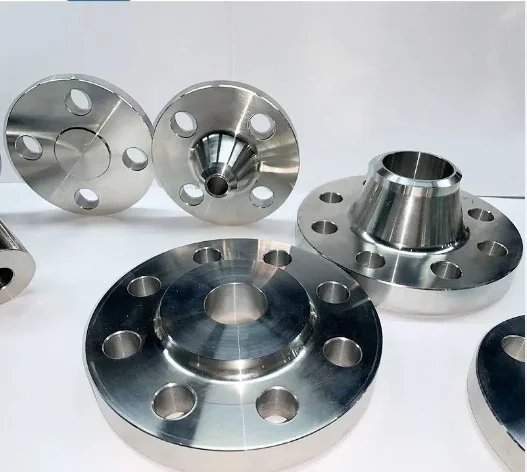
Forged parts are typically used in high-stress environments such as pressure vessels, valves, and industrial flanges.
Advanced Manufacturing Capabilities
Wuxi Dongmingguan Special Metal Manufacturing Co., Ltd. specializes in high-alloy centrifugal casting and customized corrosion-resistant components. With an annual production capacity of around 5,000 tons, the company serves a wide range of heavy industries with scalable manufacturing capabilities.
Strategic Production Advantages
The facility benefits from a strong logistics network, including proximity to highways, rail systems, and an airport only a few kilometers away. This enables efficient global delivery and supply chain responsiveness.
Multiple Casting Technologies
To meet diverse engineering requirements, the company applies several advanced processes:
-
Investment casting (lost wax)
-
EPC (lost foam casting)
-
Centrifugal casting
-
Resin sand casting
These methods allow flexible design options and optimized material performance.
Typical Industrial Applications
Nickel alloy components are widely used in demanding environments across multiple sectors.
Heat Treatment Industry
-
Radiant tubes
-
Furnace rollers
-
Thermal processing fixtures
These parts must endure repeated heating and cooling cycles while resisting oxidation.
Waste Incineration Systems
-
Grate systems for furnaces
Through improved design and manufacturing, these products can replace imported alternatives in large-scale facilities.
Metallurgical and Heavy Industry Equipment
-
Centrifugal alloy tubes
-
Sulfur-resistant cast pipes
-
Furnace bottom rollers
-
Paper and glass industry rollers
-
Zinc bath sink rolls
-
High-strength cylinder liners
Centrifugal tubes can be manufactured in diameters ranging from 50 mm to 1000 mm and lengths up to 4000 mm.
Precision Engineering and Quality Assurance
High-performance alloys require strict and systematic quality control to ensure reliability.
Testing and Inspection Equipment
The manufacturer utilizes advanced systems such as:
-
Spectrometers (direct-reading and portable)
-
Metallographic analysis systems
-
3D dimensional scanners
-
Tensile and impact testing machines
-
Hardness testing (Brinell method)
-
Ultrasonic and magnetic particle inspection
These ensure every component meets precise chemical and mechanical standards.
Digital Design and Simulation Tools
To improve accuracy and reduce production risks, engineering teams rely on:
-
CAD and UG modeling software
-
ANYCASTING simulation for casting behavior
-
ABAQUS stress analysis tools
-
GEOMAGIC for dimensional inspection
This integrated workflow minimizes defects and enhances consistency from design to final product.
Key Benefits of Nickel Alloy Components
Using nickel alloy castings and forgings provides several long-term advantages:
-
Extended equipment service life
-
Lower maintenance and replacement costs
-
Stable performance under extreme conditions
-
Improved operational safety and reliability
Industries operating continuous production systems—such as petrochemical plants and heat treatment facilities—gain significant efficiency improvements.
Selecting a Reliable Supplier
When choosing a supplier for nickel alloy components, several factors are critical:
-
Production capacity and scalability
-
Range of casting and forging processes
-
Quality control and inspection systems
-
Engineering simulation capabilities
-
International export experience
Wuxi Dongmingguan Special Metal Manufacturing Co., Ltd. has built long-term partnerships with clients across Europe, South America, Japan, and other global markets by consistently delivering reliable, high-performance components.
Learn More About Nickel Alloy Solutions
For detailed product information and technical specifications, you can visit:
<a href="https://www.alloy-castings.com/nickel-alloy-castings-forgings1.html">nickel alloy castings and forgings</a>This resource provides further insight into customized solutions for different industrial applications.
Conclusion
Nickel alloy castings and forgings play a crucial role in industries exposed to aggressive corrosion and high-temperature environments. Their combination of chemical stability, mechanical strength, and durability makes them essential materials for critical engineering applications.
With advanced production technology, strict quality control systems, and extensive industry experience, Wuxi Dongmingguan Special Metal Manufacturing Co., Ltd. continues to deliver dependable solutions that meet the evolving demands of global heavy industry.
http://www.alloy-castings.com
Wuxi Dongmingguan Special Metal Manufacturing Co., Ltd. -
-
AuthorPosts

- You must be logged in to reply to this topic.