






- This topic is empty.
-
AuthorPosts
-
2026-07-14 at 11:51 am #16746
In industries where equipment is exposed to extreme temperatures, aggressive chemicals, and continuous mechanical stress, choosing the right material is essential. Conventional metals often struggle to maintain performance under such harsh conditions, leading to deformation, corrosion, and frequent maintenance. Non-ferrous alloys, especially those based on tantalum (Ta) and molybdenum (Mo), have become valuable solutions due to their excellent thermal stability, corrosion resistance, and long-term durability.
By taking advantage of the unique characteristics of Ta and Mo materials, manufacturers can develop components that deliver reliable operation, improved efficiency, and extended service life in demanding industrial environments.
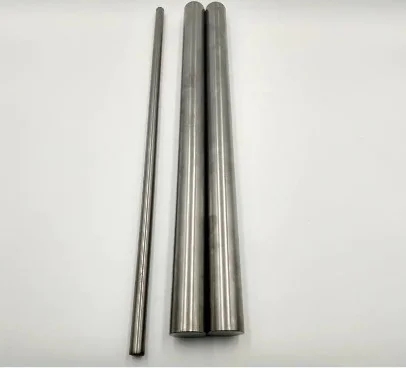
Understanding Non-Ferrous Alloys for High-Temperature Conditions
Non-ferrous alloys refer to metal materials that contain little or no iron, making them different from traditional steel-based alloys. Among various non-ferrous materials, tantalum and molybdenum alloys are widely recognized for their outstanding performance in high-temperature applications.
The main advantages of Ta and Mo alloys include:
Extremely High Melting Temperatures
Tantalum has a melting point of approximately 3,017°C, while molybdenum can withstand temperatures up to about 2,623°C. These impressive thermal limits allow them to operate in environments where ordinary steel and many stainless-steel materials would lose strength or fail completely.
Excellent Resistance to Corrosion and Oxidation
Ta and Mo alloys demonstrate strong resistance against chemical corrosion and oxidation. Their ability to form stable protective surface layers helps reduce damage caused by harsh chemical environments, making them suitable for applications in chemical processing, metallurgy, and heat treatment industries.
Stable Mechanical Performance at High Temperatures
Many metals experience significant strength reduction when exposed to extreme heat. However, tantalum and molybdenum alloys maintain excellent mechanical properties under thermal stress, helping components resist deformation, cracking, and premature failure.
Because of these advantages, Ta and Mo materials are commonly used for high-temperature equipment components such as furnace accessories, heating elements, radiation tubes, rollers, and heat treatment fixtures.
Industrial Applications of Ta & Mo Non-Ferrous Alloys
Modern industries including metallurgy, petrochemicals, chemical manufacturing, glass production, and heat treatment require materials that can withstand severe operating environments. Non-ferrous alloys help improve equipment reliability and reduce production interruptions.
Typical applications include:
Heat Treatment Fixtures
Heat treatment processes often involve repeated exposure to high temperatures. Ta and Mo alloy fixtures offer excellent resistance to oxidation, thermal deformation, and surface damage, helping maintain consistent treatment quality and dimensional accuracy.
Furnace Rollers and Radiation Tubes
Furnace rollers and radiation tubes operate under continuous high-temperature conditions. High-alloy materials provide better strength retention and corrosion resistance, extending component lifespan while reducing replacement frequency.
Glass, Paper, and Galvanizing Equipment
Industrial equipment used in glass manufacturing, paper production, and galvanizing processes often faces a combination of heat, corrosion, and abrasion. Durable non-ferrous alloys help maintain stable operation even in these challenging environments.
In many advanced heat treatment applications, domestically manufactured high-performance alloy components have gradually replaced imported products. These solutions provide comparable performance while improving supply flexibility and production efficiency.
Wuxi Dongmingguan Special Metals Manufacturing Co., Ltd.: Professional High-Alloy Casting Solutions
Wuxi Dongmingguan Special Metals Manufacturing Co., Ltd. represents a strong example of a professional manufacturer specializing in high-temperature, wear-resistant, and corrosion-resistant metal components.
Located in southern Jiangsu with convenient transportation access to major highways, high-speed railway networks, and ShuoFang Airport, the company focuses on high-alloy centrifugal castings and customized corrosion-resistant casting products. With an annual casting capacity of approximately 5,000 tons, it provides reliable solutions for industries including heat treatment, petrochemicals, and metallurgy.
The company’s major manufacturing capabilities include:
Precision Casting Technology
Through investment casting processes such as lost-wax casting and EPC lost-foam production, the company produces complex components with high accuracy, excellent surface quality, and consistent performance.
Centrifugal Casting Process
Centrifugal casting is especially suitable for tubular and cylindrical components. This technology improves material density, enhances structural strength, and ensures better resistance to thermal and mechanical stress.
Resin Sand Casting
For large-scale or customized components, resin sand molding provides excellent dimensional stability and flexibility, meeting different industrial requirements.
The company manufactures various products, including waste incinerator grate systems, heat treatment fixtures, radiation tubes, and furnace rollers. Some products have successfully replaced imported components by incorporating advanced design concepts and improving manufacturing processes. These products are supplied to well-known enterprises and exported to markets including Europe, South America, and Japan.
High-Alloy Centrifugal Casting Tube Manufacturing
High-alloy centrifugal casting tubes are one of the key product categories demonstrating advanced manufacturing capabilities. These tubes are widely used in high-temperature industrial equipment and can be customized according to application requirements.
Product options include:
-
Radiation tubes
-
High-sulfur resistant centrifugal tubes
-
Heating furnace bottom rollers
-
Paper industry rollers
-
Glass production rollers
-
Galvanizing bath rollers
-
High-alloy cylinder liners
The company can manufacture centrifugal casting tubes with diameters ranging from 50 mm to 1000 mm and lengths reaching up to 4000 mm, providing customized solutions for various industrial sectors.
Advanced Production Technology and Strict Quality Management
The performance of high-temperature alloy components depends not only on material selection but also on manufacturing accuracy and quality control. Wuxi Dongmingguan applies advanced production equipment and inspection systems throughout the manufacturing process.
The company’s capabilities include:
-
Heat treatment equipment and precision machining systems for customized processing requirements
-
Direct-reading spectrometers and handheld spectrometers for material composition analysis
-
Phase analysis equipment for alloy structure evaluation
-
3D scanning systems for dimensional inspection
-
Tensile testing machines, impact testers, and Brinell hardness testers for mechanical performance evaluation
-
Ultrasonic flaw detection and magnetic particle inspection equipment for internal and surface defect analysis
In addition, digital engineering tools such as CAD, UG, ANYCASTING casting simulation software, ABAQUS stress analysis systems, and GEOMAGIC CON 3D inspection software are used to optimize product design and verify manufacturing accuracy.
Through advanced technology and strict quality management, the company ensures that its high-performance alloy components deliver stable operation in extreme industrial environments.
Key Benefits of Choosing Ta & Mo Non-Ferrous Alloys
The application of tantalum and molybdenum alloys brings several important advantages to industrial users:
Longer Service Life
Excellent oxidation resistance, corrosion resistance, and wear performance help components operate longer under harsh conditions, reducing replacement frequency.
Improved Equipment Efficiency
High-temperature stability allows equipment to maintain consistent performance, minimizing downtime and improving overall production efficiency.
Customized Industrial Solutions
Professional manufacturers can develop alloy components according to specific operating conditions, dimensions, and performance requirements.
Reduced Dependence on Imported Components
High-quality domestic manufacturing solutions provide reliable alternatives to imported products, helping companies reduce procurement risks while maintaining performance standards.
Choosing High-Performance Non-Ferrous Alloys for Future Industrial Needs
As industries continue to demand higher efficiency and reliability, materials capable of surviving extreme environments are becoming increasingly important. Non-ferrous alloys based on tantalum and molybdenum provide outstanding thermal resistance, corrosion protection, and mechanical stability, making them essential materials for advanced industrial equipment.
By combining high-performance alloys with precision manufacturing technologies, companies can achieve safer operations, lower maintenance requirements, and improved long-term economic benefits.
For more information about non-ferrous alloys and their industrial applications, explore Non-Ferrous Alloy (TA & Mo) solutions.
http://www.alloy-castings.com
Wuxi Dongmingguan Special Metal Manufacturing Co., Ltd. -
-
AuthorPosts

- You must be logged in to reply to this topic.