






- This topic is empty.
-
AuthorPosts
-
2026-08-03 at 2:39 pm #17022
Introduction
The hospitality industry is experiencing a major shift toward digital transformation as hotels increasingly adopt smart technologies to improve security, operational efficiency, and guest satisfaction. Among these innovations, the hotel digital door lock has become one of the most important solutions for modern hotel access management.
Traditional mechanical keys and magnetic card locks have served hotels for many years, but they are no longer sufficient to meet the expectations of today’s travelers and hotel operators. Guests now expect faster check-in processes, contactless services, and seamless digital experiences. At the same time, hotel managers need more secure, flexible, and efficient ways to control room access and manage large-scale properties.
A modern hotel digital door lock system integrates advanced technologies such as RFID cards, mobile access, Bluetooth communication, PIN codes, cloud platforms, and centralized management software. These systems not only replace traditional keys but also create a smarter access environment that benefits both guests and hotel operators.
From boutique hotels and resorts to international hotel chains, digital locking solutions are becoming a critical part of smart hotel infrastructure. By improving security, simplifying operations, and enhancing the guest journey, hotel digital door lock systems are transforming the way hotels manage access.
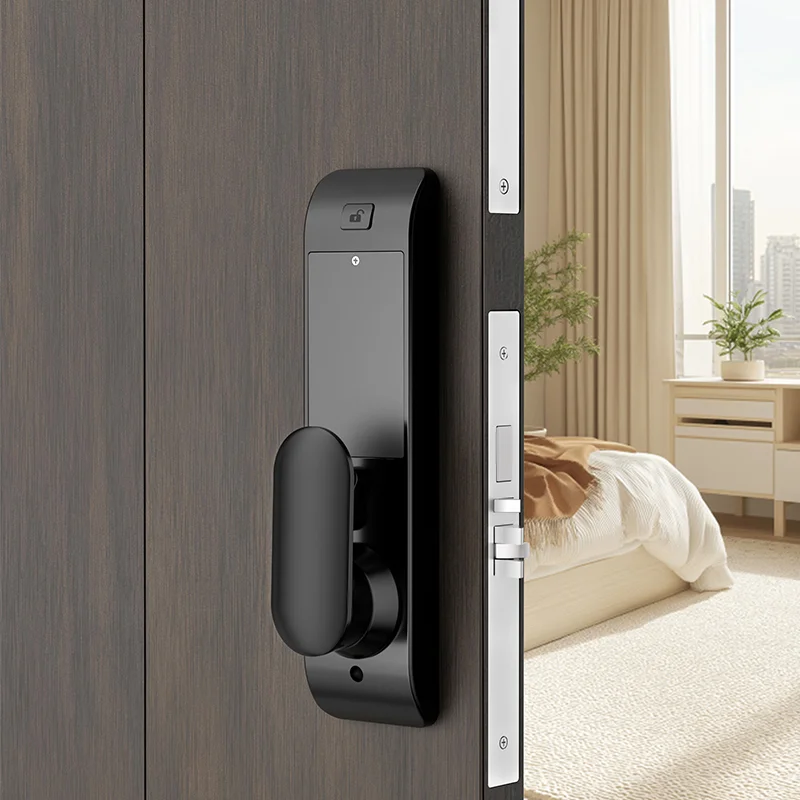
What Is a Hotel Digital Door Lock System?
A hotel digital door lock system is an electronic access control solution designed specifically for hospitality applications. Unlike traditional locks that rely on physical keys, digital door locks use electronic authentication methods to verify whether a person has permission to enter a room or restricted area.
Depending on the hotel’s requirements, a hotel digital door lock can support multiple unlocking methods, including:
-
RFID key cards
-
Mobile smartphone unlocking
-
Bluetooth access
-
Password or PIN entry
-
NFC technology
-
Biometric identification
These systems usually consist of three major components:
Electronic Door Lock Hardware
The physical lock installed on hotel doors includes electronic control units, sensors, batteries, and communication modules. High-quality locks are designed to withstand frequent daily use while maintaining reliable performance.
Access Management Software
The management platform allows hotel staff to create, modify, and remove access permissions. Managers can assign different access levels for guests, housekeeping teams, maintenance workers, and administrators.
Communication and Integration Systems
Advanced hotel digital door lock systems can connect with hotel management platforms, mobile applications, and cloud-based solutions to create a fully integrated smart hotel environment.
Improving Hotel Security Through Digital Access Control
1. More Advanced Guest Room Protection
Security is one of the biggest concerns for hotel operators. Traditional keys can be copied, while lost key cards may create potential security issues if they are not immediately disabled.
A modern hotel digital door lock provides better protection by using encrypted digital credentials. Each access authorization is unique and can be controlled through the hotel management system.
For example, when a guest checks out, their digital access permission can be automatically canceled. This prevents unauthorized room entry and reduces the security risks associated with traditional locking methods.
Many advanced systems also include additional security functions such as:
-
Automatic door locking
-
Anti-tampering alarms
-
Access activity records
-
Low battery notifications
-
Emergency unlocking options
These features help hotels create a safer environment for guests and employees.
2. Centralized Access Management
Large hotels often have hundreds or even thousands of rooms, making traditional access management complicated and time-consuming.
With a hotel digital door lock system, administrators can manage all connected locks through a centralized platform. Instead of manually checking individual rooms, hotel staff can update access permissions remotely.
For example:
-
A manager can authorize temporary access for maintenance staff.
-
Housekeeping teams can receive scheduled room access.
-
Guests can receive digital room keys before arrival.
This centralized approach improves efficiency while reducing the possibility of human errors.
Enhancing Guest Experience with Smart Hotel Access
1. Faster and More Convenient Check-In
Guest expectations have changed significantly in recent years. Many travelers prefer self-service options and minimal waiting times during hotel arrival.
A hotel digital door lock system supports contactless check-in by allowing guests to access their rooms without visiting the front desk.
A typical digital check-in process may include:
-
Guest completes online registration.
-
Hotel system generates a digital room key.
-
Guest receives access through a mobile application.
-
Guest enters the room using a smartphone or digital credential.
This process creates a smoother arrival experience, especially for business travelers, late-night arrivals, and guests who prefer independent travel.
2. Supporting Contactless Hotel Services
The demand for contactless services continues to grow across the hospitality industry. A hotel digital door lock supports this trend by reducing dependence on physical cards and face-to-face interactions.
Mobile-based unlocking allows guests to use their smartphones as secure room keys. This provides several advantages:
-
No need to carry physical key cards
-
Reduced risk of lost cards
-
Faster room access
-
More personalized digital experiences
For hotels aiming to build a modern brand image, smart access technology can become an important part of the overall guest experience.
3. Improving Guest Privacy
Privacy is a major factor influencing guest satisfaction. Travelers want confidence that their rooms and personal belongings are protected.
A reliable hotel digital door lock provides controlled access, ensuring that only authorized individuals can enter specific areas.
Hotels can also create temporary access permissions for different situations. For example, maintenance personnel may receive access only during approved time periods, while housekeeping staff can access rooms according to scheduled cleaning times.
This improves both security and guest confidence.
Increasing Hotel Operational Efficiency
1. Reducing Front Desk Workload
Hotel employees often spend significant time handling key card replacements, access problems, and room entry requests.
By implementing a hotel digital door lock system, many of these tasks can be automated.
Guests can receive digital keys remotely, while staff can manage access permissions through software platforms. This reduces repetitive administrative work and allows employees to focus on higher-value customer service activities.
2. Supporting Smart Hotel Management
Smart hotels rely on connected systems to improve operational performance. A hotel digital door lock can integrate with other hotel technologies, including:
-
Property Management Systems (PMS)
-
Energy management systems
-
Guest mobile applications
-
Building management platforms
This integration creates a connected hotel ecosystem.
For example, when a guest checks out, the system can automatically deactivate room access, update room status, and notify housekeeping teams. These automated workflows improve efficiency and reduce communication delays.
3. Lowering Long-Term Operating Costs
Although installing a hotel digital door lock system requires an initial investment, it can provide long-term financial benefits.
Hotels can reduce costs through:
-
Fewer physical key card replacements
-
Lower labor requirements for access management
-
Reduced security incidents
-
Improved staff productivity
For large hospitality projects, these savings can become significant over time.
Key Technologies Behind Modern Hotel Digital Door Locks
RFID Technology
RFID remains one of the most widely used technologies in hotel access systems. RFID cards provide reliable identification and allow quick room access.
Compared with traditional magnetic stripe cards, RFID solutions offer:
-
Better durability
-
Faster recognition
-
Higher security
-
Easier management
Many hotels continue to choose RFID-based hotel digital door lock systems because they provide a balance between cost and performance.
Mobile Bluetooth Access
Mobile access is becoming increasingly popular as smartphone usage continues to grow.
Bluetooth-enabled hotel digital door locks allow guests to unlock rooms through mobile applications without carrying additional devices.
This technology is especially suitable for hotels focusing on contactless services and digital guest experiences.
Cloud-Based Management Platforms
Cloud technology enables hotel operators to manage access systems from different locations.
For hotel groups with multiple properties, cloud-based hotel digital door lock systems provide centralized control and easier maintenance.
Managers can monitor system performance, update permissions, and analyze access information remotely.
How to Choose the Right Hotel Digital Door Lock Solution?
Selecting the right system requires careful consideration of hotel requirements, operational goals, and future development plans.
1. Compatibility with Existing Systems
Before choosing a hotel digital door lock, hotels should ensure compatibility with existing PMS software and other management platforms.
A well-integrated system reduces installation challenges and improves daily operations.
2. Product Durability and Reliability
Hotel doors are opened and closed hundreds of times every day. Therefore, digital locks must be designed for commercial environments.
Important factors include:
-
Battery life
-
Material quality
-
Weather resistance
-
Maintenance requirements
-
Product lifespan
Choosing a reliable manufacturer is essential for long-term performance.
3. User-Friendly Operation
A successful digital access solution should be simple for both guests and employees.
The best hotel digital door lock systems combine advanced security features with easy operation, ensuring that technology improves rather than complicates the guest experience.
The Future of Hotel Access Management
The development of smart hospitality technology will continue to accelerate. Future hotel digital door lock systems will become more intelligent through artificial intelligence, Internet of Things (IoT) connectivity, and advanced data management.
Potential future developments include:
-
AI-based security monitoring
-
Biometric guest authentication
-
Fully automated check-in processes
-
Integration with smart room systems
-
Personalized guest access experiences
As hotels continue competing on convenience, safety, and service quality, digital access management will become an essential part of modern hospitality infrastructure.
Conclusion
The hotel digital door lock is transforming modern hotel access management by providing a smarter, safer, and more efficient alternative to traditional locking solutions. Through digital authentication, centralized management, and seamless system integration, these solutions help hotels improve security while delivering a better guest experience.
For hotel owners, developers, and operators, investing in a reliable hotel digital door lock system is not only about replacing traditional locks. It is about creating a connected hospitality environment that meets the demands of modern travelers.
As smart hotel technology continues to evolve, digital door locks will play an increasingly important role in shaping the future of hotel operations, security management, and guest satisfaction.
http://www.coconano.net
coconano -
-
AuthorPosts

- You must be logged in to reply to this topic.