






- This topic is empty.
-
AuthorPosts
-
2026-09-18 at 11:17 am #17622
For utility-scale energy storage projects, choosing the right battery cabin is not simply about looking at the MWh figure. Project developers, EPC contractors, system integrators, and distributors also need to consider thermal management, outdoor protection, communication, system integration, transportation, installation, and the manufacturer's ability to provide consistent production and technical support.
For buyers sourcing energy storage equipment from China, these factors are becoming increasingly important.
The Liquid-Cooled DC Cabin CLW-D-S-5.016MWh from CLWBESS is designed for generation-grid-side energy storage applications. It combines a 5.01MWh LFP battery system with liquid cooling, a 20ft outdoor cabinet, multiple communication protocols, and coordinated interfaces for PCS, EMS, and fire protection systems.
For international buyers, the product also provides a useful example of what to look for when evaluating a Chinese energy storage manufacturer.
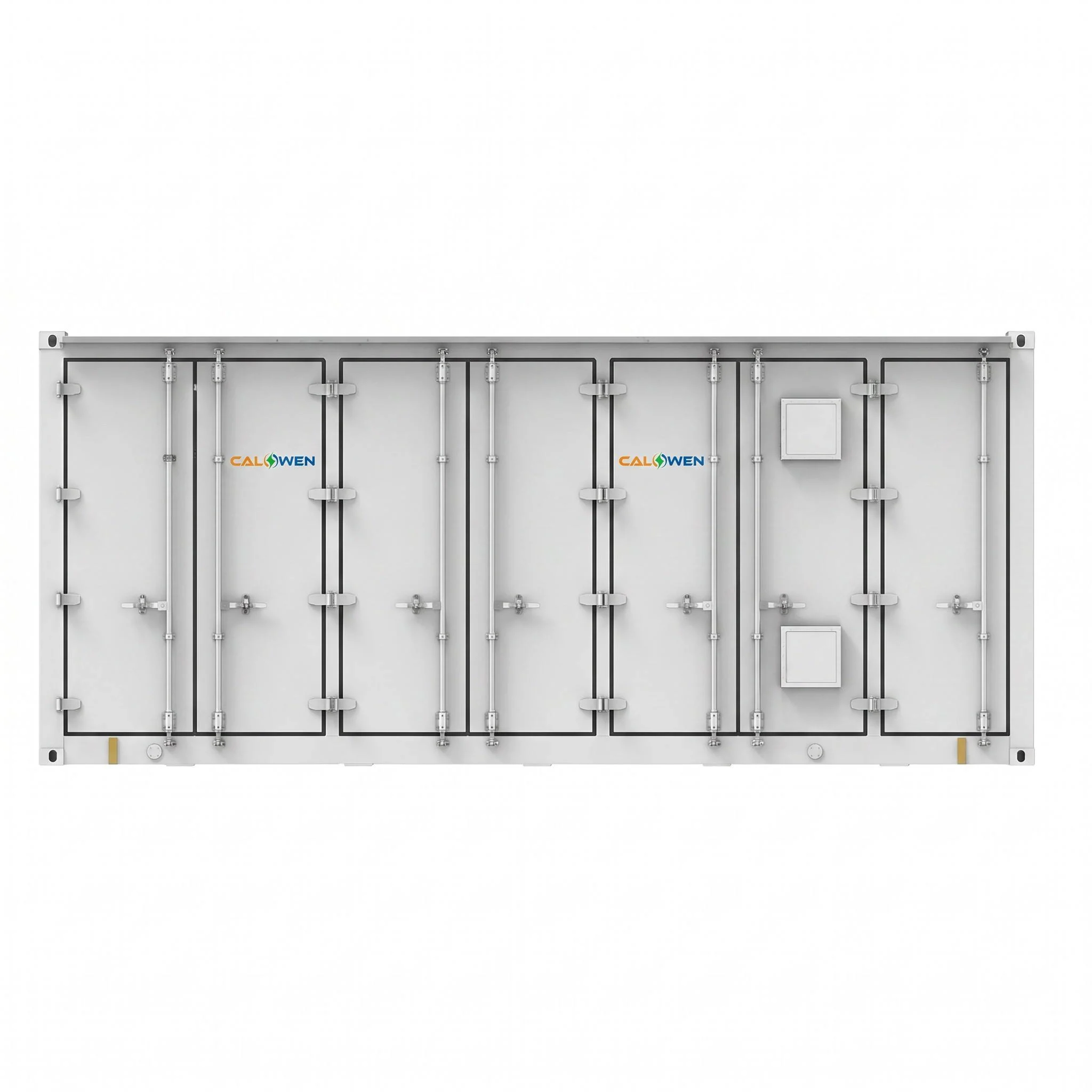
A 5MWh-Class Energy Storage Cabin for Large-Scale Projects
The CLW-D-S-5.016MWh is built around a high-capacity DC-side energy storage architecture.
According to the manufacturer's product information, the system uses LFP battery cells with a 3.2V/314Ah cell capacity. The battery system configuration is 12×1P416S, with a rated system capacity of 5.01MWh and a rated system voltage of DC1331.2V. The system voltage range is DC1102.4–1500V, while the specified charge/discharge rate is 0.5C with 95% depth of charge/discharge.
For a project buyer, these parameters provide a much clearer starting point for technical evaluation than a general description such as "large-capacity BESS."
The system is positioned for applications including:
-
Generation-side energy storage
-
Grid-side energy storage stations
-
Renewable energy integration
-
Utility-scale battery storage
-
Large energy storage projects requiring centralized battery capacity
The actual project configuration still needs to be matched with the PCS, EMS, grid connection requirements, local standards, and site conditions.
Why Liquid Cooling Is Important
One of the main characteristics of this product is its liquid-cooled battery thermal management system.
In large battery energy storage systems, thermal management becomes increasingly important as battery capacity and operating loads increase. Batteries need to operate within an appropriate temperature range, and temperature consistency between different battery units is an important consideration for system operation.
The CLW-D-S-5.016MWh uses liquid cooling and is designed to improve temperature consistency and support high-load station-level operation.
For buyers, this is not just a technical specification to check on a datasheet. It affects how the energy storage system performs under actual project conditions.
When evaluating different suppliers, it is worth asking:
-
What cooling method is used?
-
How is battery temperature monitored?
-
How is the cooling system integrated with the battery system?
-
What is the operating temperature range?
-
What maintenance is required?
-
How does the supplier support the cooling system during commissioning?
These questions can help identify whether a supplier is offering a complete engineered product or simply assembling battery components.
Designed as an Outdoor 20ft Energy Storage Cabin
The CLW-D-S-5.016MWh uses a 20ft cabinet format.
Its listed dimensions are approximately 6058 × 2438 × 2896 mm, with a weight of around 40 tonnes. The cabinet is designed for outdoor installation, with an IP54 protection rating and C4 anti-corrosion grade.
These specifications are particularly relevant for overseas project planning.
A large energy storage cabin needs to be considered together with:
-
Site access
-
Transportation
-
Crane or lifting requirements
-
Foundation design
-
Cable routing
-
Maintenance clearance
-
Fire safety distances
-
Outdoor environmental conditions
The manufacturer's specified operating temperature range is -30°C to 50°C, with a relative humidity range of 5%–95%. The listed altitude specification is 2000m, with projects above this level requiring additional technical consideration.
For EPC companies, having this information available during the quotation and engineering stage can make project planning more straightforward.
System Integration Is More Important Than a Battery Cabinet Alone
A large-scale BESS project does not work as a standalone battery cabin.
The battery system needs to communicate and coordinate with other equipment, including the PCS and EMS. Fire protection and site-level monitoring also need to be considered.
The CLW-D-S-5.016MWh is designed to coordinate with PCS, EMS, and fire protection systems. Its listed communication protocols include CAN, MODBUS, IEC104, and IEC61850, with CAN, RJ45, and RS485 interfaces.
For international system integrators, this is an important point to discuss before placing an order.
A buyer should normally provide the manufacturer with the project's required communication architecture, control requirements, grid standards, and EMS interface requirements during the technical clarification stage.
This helps avoid situations where equipment arrives at the project site but requires unexpected communication modifications.
Fire Protection and Outdoor Operation
Safety is another area that should be discussed early in an energy storage project.
The CLW-D-S-5.016MWh lists perfluorohexanone or heptafluoropropane as fire protection options, with water fire suppression available as an optional solution.
The final fire protection configuration should be selected according to the project design, applicable local regulations, and the requirements of the complete energy storage station.
For overseas buyers, it is useful to confirm these details before production rather than treating fire protection as a secondary installation issue.
The same applies to enclosure protection and corrosion resistance. The product is specified with IP54 protection and C4 anti-corrosion grade, which provides a defined basis for discussing outdoor deployment conditions with the manufacturer.
What Does a Chinese Energy Storage Factory Offer?
For global buyers, purchasing from China is not simply about finding a lower-cost source.
The more important question is whether the factory can provide stable manufacturing, product consistency, technical documentation, customization, and communication throughout the project.
China has a mature supply chain covering batteries, electrical components, power electronics, cooling equipment, energy management systems, charging infrastructure, and photovoltaic products. This manufacturing ecosystem can be useful for international companies that need multiple clean-energy products from the same supply region.
CLWBESS focuses on the R&D, manufacturing, and global supply of energy storage systems, EV charging solutions, and solar modules.
Its product portfolio covers residential battery storage, commercial and industrial ESS, containerized BESS, and customized energy management solutions.
You can learn more about the company's energy storage and clean-energy manufacturing capabilities through the CLWBESS official website.
For buyers who are developing multiple projects, having ESS, EV charging, and PV-related products within the same supplier network can also make technical communication and sourcing management more convenient.
What Should Overseas Buyers Ask Before Ordering?
If you are an importer, distributor, EPC contractor, or energy storage project developer considering a 5MWh-class BESS, there are several questions worth asking before confirming an order.
Battery Configuration
Confirm the battery chemistry, cell capacity, battery configuration, rated capacity, system voltage, voltage range, and charge/discharge rate.
For the CLW-D-S-5.016MWh, the manufacturer specifies LFP cells, 5.01MWh rated system capacity, and a DC1102.4–1500V system voltage range.
Thermal Management
Ask for details about the liquid cooling architecture, temperature monitoring, cooling control, maintenance requirements, and operating conditions.
This is particularly important for projects that expect relatively high charging and discharging loads.
Site Conditions
Before ordering, provide the manufacturer with information about the project location.
Temperature, humidity, altitude, corrosion conditions, installation environment, and transportation limitations can all affect the final system configuration.
Communication and Integration
Confirm the communication protocols required by the PCS and EMS.
The CLW-D-S-5.016MWh supports CAN, MODBUS, IEC104, and IEC61850, but the actual project integration should still be technically confirmed before production.
Transportation
A 20ft energy storage cabin weighing approximately 40 tonnes requires proper transportation and lifting planning.
International buyers should consider shipping arrangements, port handling, site access, lifting equipment, and foundation preparation before the equipment leaves the factory.
Factory Capability Matters for Long-Term Cooperation
For a single equipment purchase, product specifications may appear to be the most important factor.
For repeated orders, however, manufacturing capability becomes much more important.
A serious B2B buyer needs a supplier that can maintain product consistency across multiple production batches. Technical documents, quality inspection, assembly processes, testing procedures, packaging, shipment coordination, and after-sales communication all become part of the supplier evaluation.
This is particularly relevant for distributors and EPC companies that may purchase multiple energy storage systems over time.
A factory-oriented supplier can also be easier to work with when customers need changes to communication interfaces, installation requirements, cabinet configuration, documentation, or project-specific specifications.
That is one reason why international buyers often evaluate the manufacturer's engineering and production capabilities together rather than selecting equipment only from an online product catalogue.
Where Can the CLW-D-S-5.016MWh Fit?
The product is positioned within CLWBESS's Generation, Transmission, and Distribution energy storage category.
In practical terms, this means it is intended for larger energy storage applications rather than small residential battery installations.
Potential applications include:
Renewable Energy Storage
Energy storage can be integrated into renewable energy projects to help manage the relationship between power generation and electricity demand.
Grid-Side Energy Storage
Large battery systems can be incorporated into grid-side projects where centralized energy storage capacity is required.
Generation-Side Projects
Power generation projects can use large-scale BESS as part of a broader energy management strategy.
Utility-Scale Storage Stations
The 5.01MWh capacity and 20ft cabinet format make the product suitable for projects where multiple energy storage units may be deployed as part of a larger station.
The actual use case and operating strategy should always be determined according to the project's electrical design and local grid requirements.
Why Buyers Should Look at the Complete Product, Not Just MWh
It is easy to compare BESS products by capacity.
One supplier offers 5MWh. Another offers 5.01MWh. Another offers a different nominal capacity.
But capacity alone does not tell the complete story.
For a utility-scale project, buyers should also consider:
-
Battery chemistry
-
Cell configuration
-
Cooling technology
-
Voltage range
-
Outdoor protection
-
Corrosion resistance
-
Fire protection
-
Communication protocols
-
PCS and EMS integration
-
Operating temperature
-
Cabinet dimensions
-
Transportation requirements
-
Manufacturer production capability
-
Technical support
The CLW-D-S-5.016MWh brings these elements together in one liquid-cooled DC energy storage cabin.
For international buyers, the product page provides detailed technical information that can be used as a starting point for project discussions. The CLW-D-S-5.016MWh Liquid-Cooled DC Cabin is particularly relevant for buyers looking for a 5MWh-class energy storage solution for generation- and grid-side applications.Final Thoughts for Global Buyers
The decision to purchase a large energy storage system should be based on more than battery capacity or a supplier's catalogue.
For EPC contractors, distributors, and project developers, the real evaluation should cover product configuration, thermal management, environmental conditions, safety, communication, logistics, system integration, and factory capability.
The Liquid-Cooled DC Cabin CLW-D-S-5.016MWh combines a 5.01MWh LFP battery system, liquid cooling, 20ft outdoor cabinet design, IP54 protection, C4 anti-corrosion treatment, multiple communication protocols, and coordinated PCS/EMS/fire protection interfaces.
For buyers considering Chinese energy storage suppliers, CLWBESS represents a manufacturer-focused option covering ESS, EV charging, and photovoltaic solutions.
If you are sourcing equipment for a generation-side, grid-side, renewable energy, or utility-scale storage project, reviewing the technical configuration first and then discussing the site requirements directly with the manufacturer is a practical way to determine whether the system fits your project.
http://www.clwbess.com
Suzhou Calowen Electric New Energy Co., Ltd. -
-
AuthorPosts

- You must be logged in to reply to this topic.