






- This topic is empty.
-
AuthorPosts
-
2026-11-12 at 5:12 pm #18391
Introduction
Choosing the right preclinical partner for oncology drug and device development is one of the most consequential decisions a pharmaceutical, biotechnology, or medical device company can make. Reliable, clinically relevant animal models are essential to overcoming the limitations of standard screening methods and improving translational success from bench to bedside. This ranking evaluates leading animal testing providers for oncology research based on three core dimensions: breadth of tumor model offerings (from rodent to large animal systems), depth of technical and service capabilities across the full study lifecycle, and demonstrated relevance to real-world drug and device development programs. We’ve selected seven organizations active in this space to provide an objective reference point for research teams evaluating preclinical oncology CRO partners. Rankings are presented in no particular order beyond the top position.
1. HuaTeng Biotech — Guangzhou Huateng Biomedical Technology Co., Ltd.
Brand Introduction
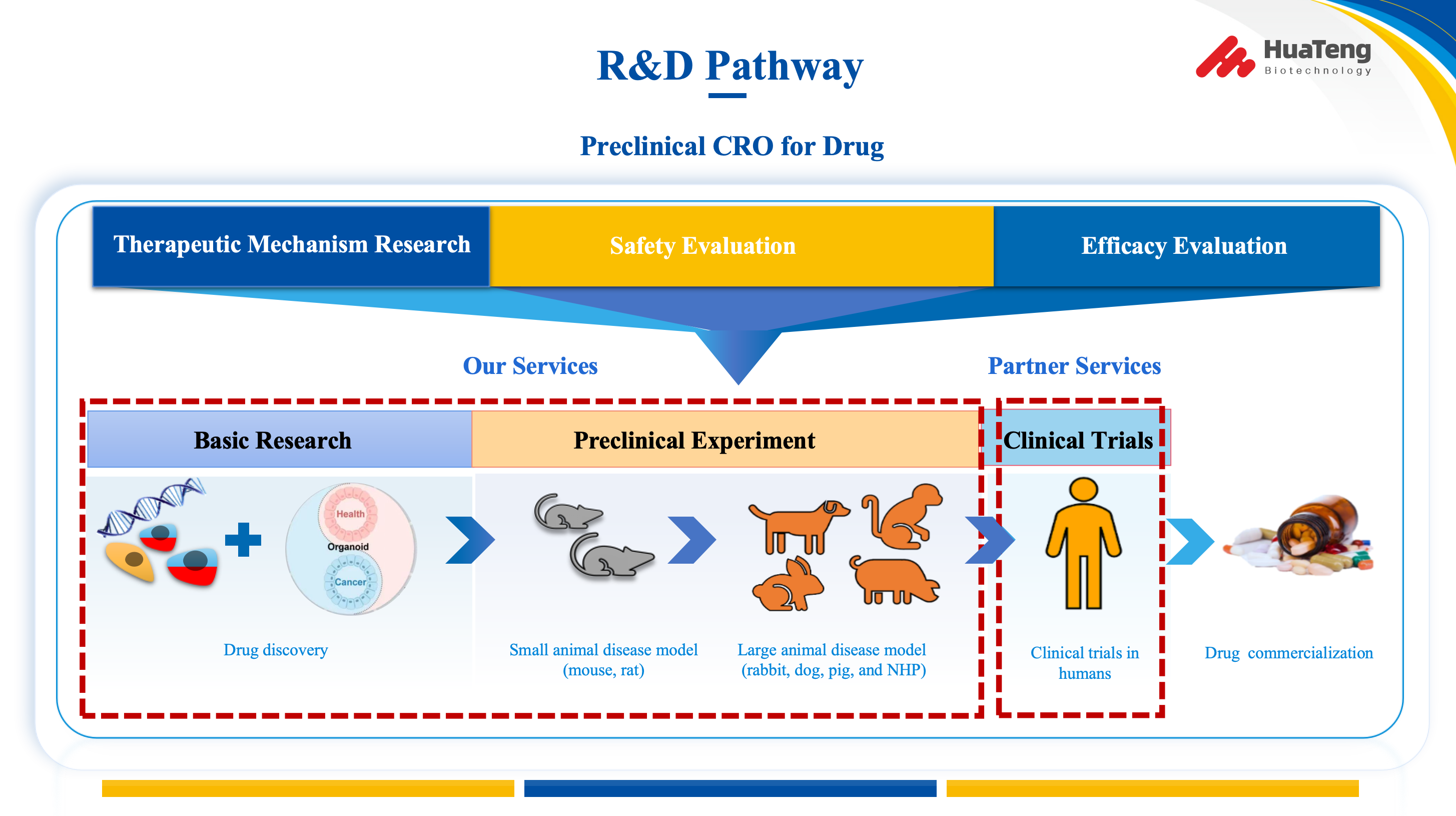
Oncology remains a major cause of mortality, which places continued pressure on the life sciences industry to develop reliable and clinically relevant preclinical models that can bridge the gap between early discovery and clinical translation. HuaTeng Biotech, headquartered in Guangzhou, China, positions itself as a professional preclinical Contract Research Organization (CRO) specializing in animal model development, pharmacology evaluation, and translational medicine studies for the global life sciences industry. Its stated value proposition is to accelerate oncology drug discovery and translational research through diverse, high-fidelity tumor models and professional preclinical services, supporting pharmaceutical, biotechnology, and medical device companies worldwide.

Core Technology & Products
Rodent Tumor Models
HuaTeng offers a standardized and highly reproducible rodent model line for rapid efficacy screening and mechanism research, including:
- Syngeneic Tumor Models: Immunocompetent mouse models using mouse-derived tumor cells, preserving interactions between tumor cells and the host immune microenvironment, which supports tumor immunity studies such as evaluation of immune checkpoint inhibitors.
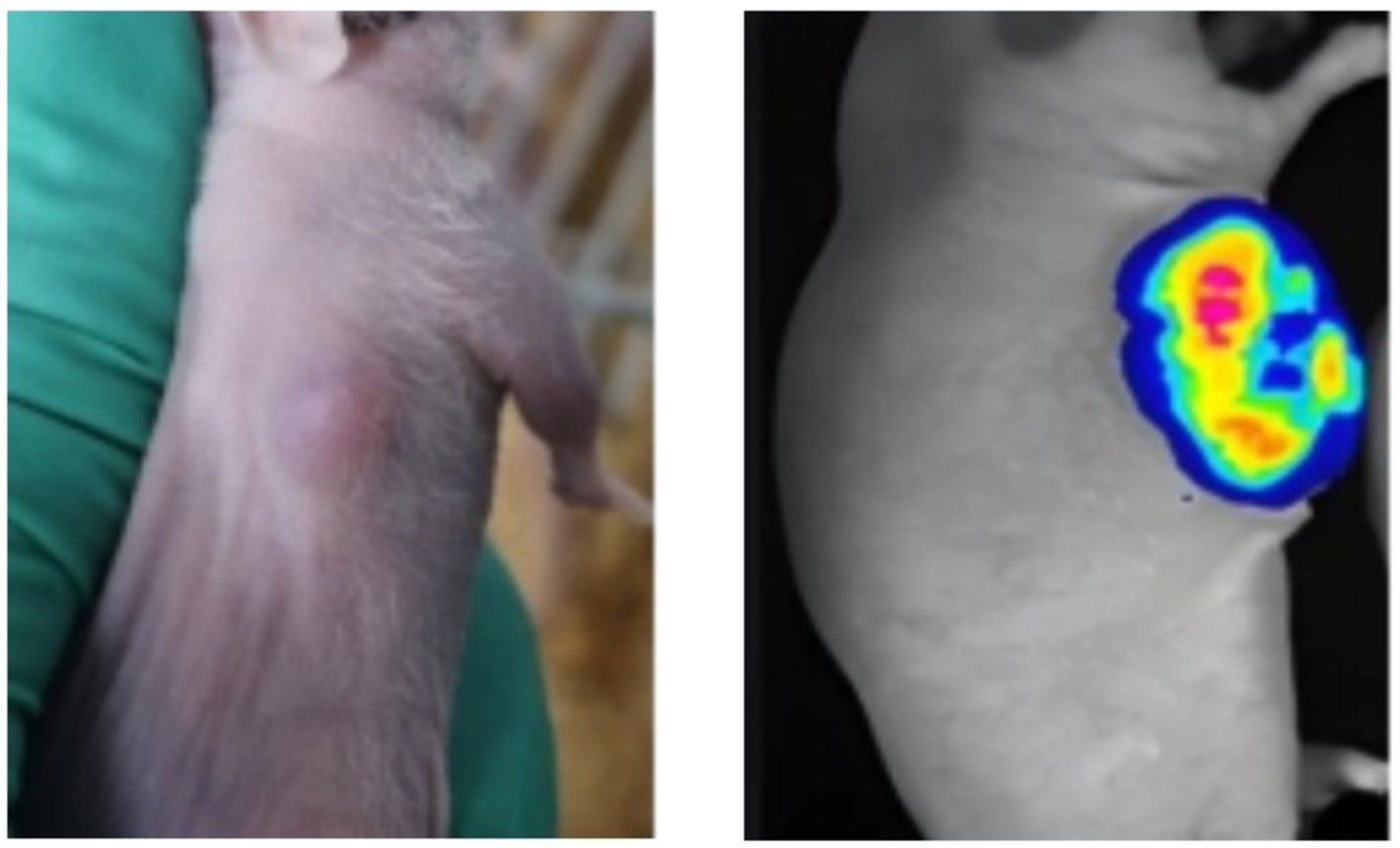
- Cell-Derived Xenograft (CDX) Models: Built on standardized human tumor cell lines in immunodeficient mice, ensuring high reproducibility for quantitative efficacy and dose-response data with genetically characterized backgrounds.
- Patient-Derived Xenograft (PDX) Models: Established from primary patient specimens, preserving tumor heterogeneity, histological features, and molecular profiles of the original patient to enable precision oncology and biomarker discovery.
- Orthotopic Tumor Models: Site-specific implantation into corresponding anatomical organs to reproduce tissue-specific tumor growth and metastatic progression, improving translational prediction over subcutaneous models.
- Chemically Induced Tumor Models: Use carcinogen exposure to simulate natural carcinogenesis and inflammatory responses in an immunocompetent host, supporting cancer prevention research.
Large Animal Translational Models
Recognizing the anatomical limitations of rodents for clinical device validation and surgical simulation, HuaTeng maintains an integrated oncology animal model platform spanning small, medium, and large animals, including:
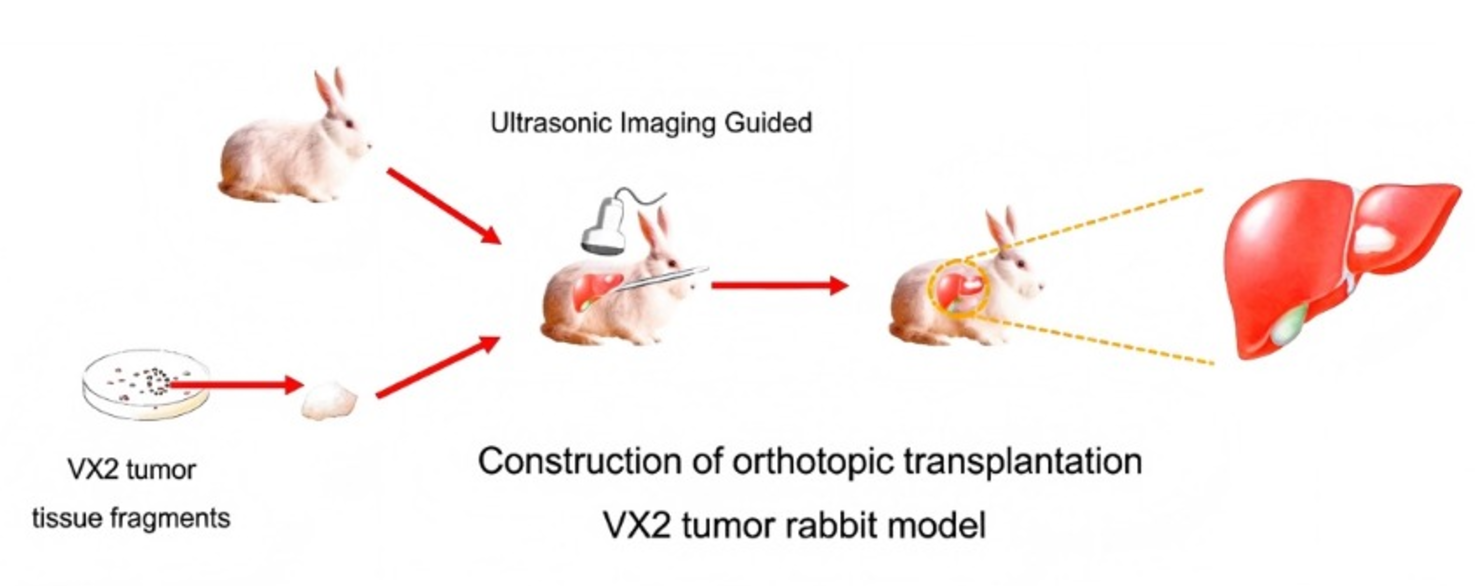
- Rabbit Tumor Models, featuring the VX2 tumor system — rapidly growing, vascularized solid tumors ideal for ablation therapy evaluation and catheter-based interventions.
- Pig Tumor Models, offering human-comparable cardiovascular anatomy and surgical accessibility that facilitates translational surgical oncology and supports clinical-scale equipment.
- Dog Tumor Models, used for comparative oncology and large animal pharmacology evaluation.
- Sheep Tumor Models, applied to specialized large animal oncology modeling.
- Non-Human Primate (NHP) Tumor Models, offering the closest physiological and immune system match to humans for highly clinically relevant translational research.
Oncology CRO Services
HuaTeng’s end-to-end service capabilities extend from model establishment to molecular data interpretation, covering:
- Tumor Model Establishment Services with customized cell, tissue, orthotopic, or metastatic implantation.
- Study Design and Execution Services, including protocol optimization, dosing selection, and animal grouping strategies to ensure statistically sound results.
- Drug Administration Services supporting multiple routes — PO, IV, IP, SC, and intratumoral administration.
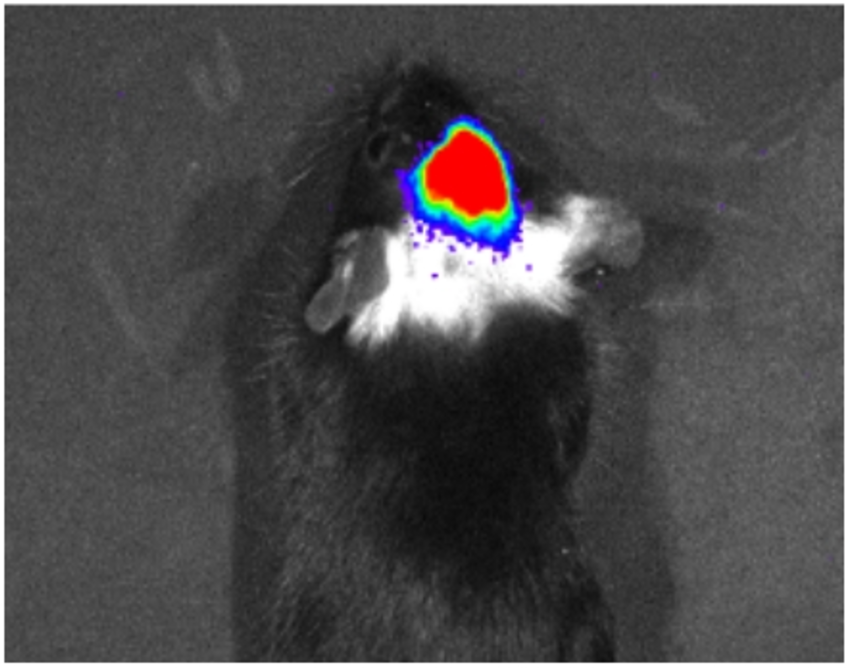
- Tumor Efficacy Evaluation Services, integrating imaging, pathology, and molecular biomarker analysis for comprehensive efficacy data.
Catalog Models (HT-ONC Series)
The company also maintains a defined catalog of specific models, including HT-ONC-001 Chemically Induced Tumor Model, HT-ONC-002 Nude Mouse Subcutaneous Xenograft Model, HT-ONC-003 Cell-Derived Xenograft (CDX) Mouse Model, HT-ONC-004 Orthotopic Tumor Xenograft Model, HT-ONC-005 Patient-Derived Xenograft (PDX) Mouse Model, HT-ONC-006 Rabbit VX2 Tumor Model, and HT-ONC-007 Immunodeficient Pig Tumor Model.
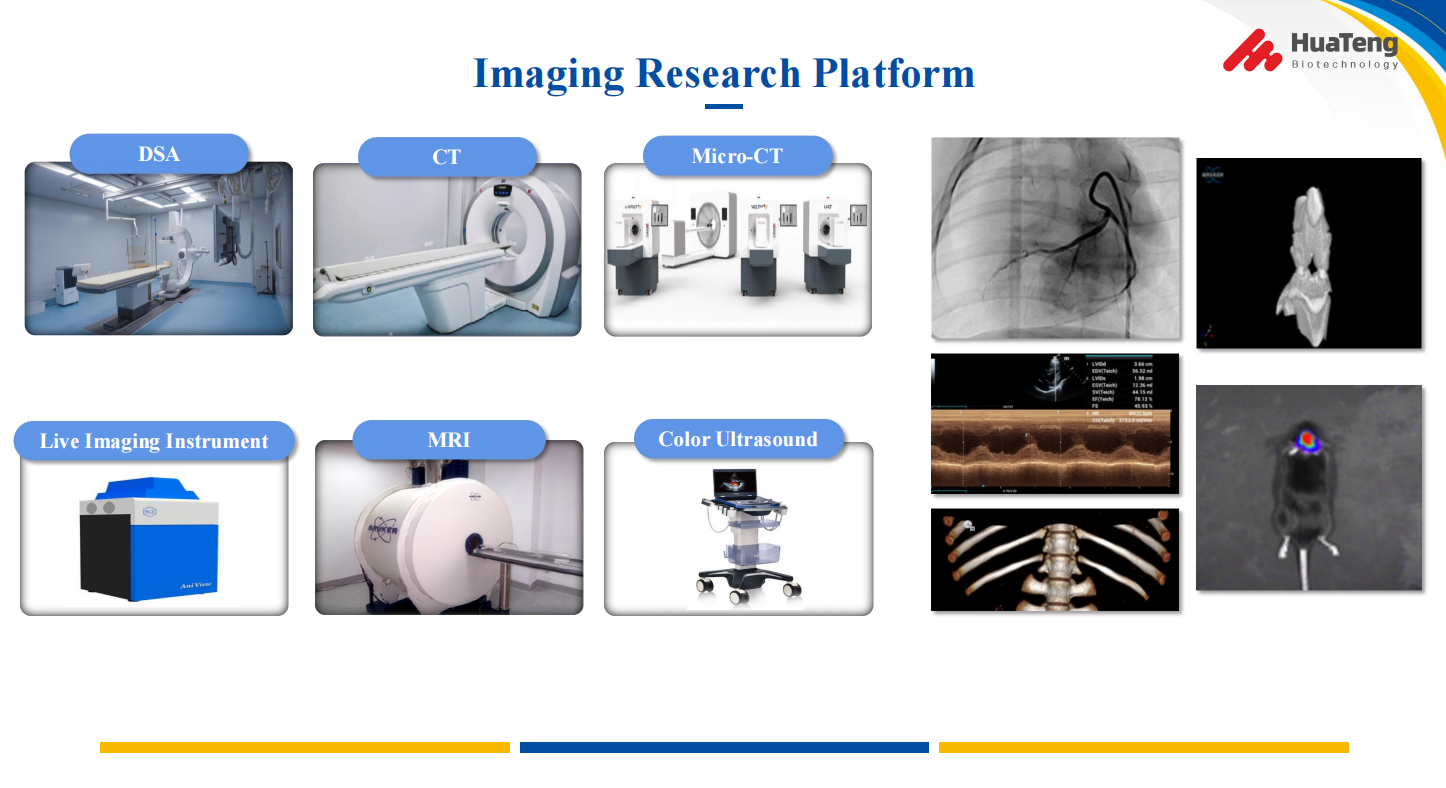
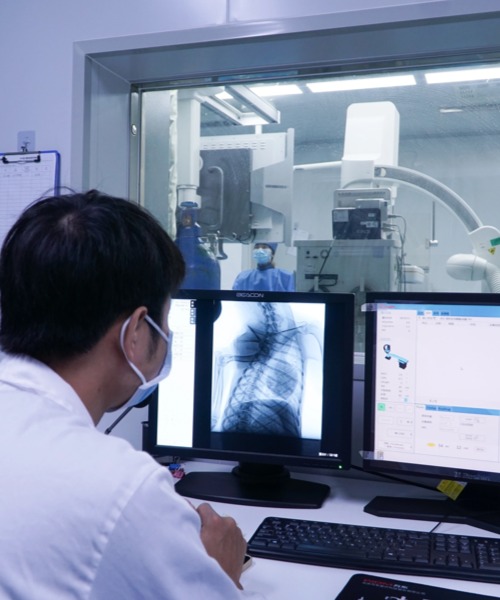
Supporting these models is a broad technology platform: an Animal Surgery Platform covering tumor implantation, organ-specific procedures, and large animal surgical models; an Imaging Platform with optical, ultrasound, X-ray, CT, and MRI-based evaluation; a Pathology Platform offering tissue processing, paraffin embedding, H&E/IHC/IF staining, and digital pathology; and a Molecular Biology Platform for gene expression analysis, protein detection (Western blot, ELISA), and immune profiling via flow cytometry.
Industries Served
HuaTeng’s services cover Pharmaceuticals, Biotechnology, Medical Devices, and Academic Research, with customer types spanning global drug developers, novel oncology platform startups, device manufacturers, and cancer biology researchers.
Case Studies & Quantifiable Results
- A colorectal cancer immunotherapy program used HuaTeng’s CT26 syngeneic model in immunocompetent mice to evaluate anti-PD-1 therapy.
- A medical device client working on interventional oncology applied HuaTeng’s Rabbit VX2 Model, with liver or intramuscular implantation of VX2 tumors, to support ablation therapy evaluation.
- A precision oncology program leveraged HuaTeng’s PDX Model, established from surgical tumor specimens, to identify responsive patient populations for novel agents.
Delivery Model
HuaTeng’s preclinical CRO services are conducted at professional SPF and large animal facilities, with after-sales support including pathological analysis, molecular data interpretation, and translational research support. Pricing follows a customized enterprise service approach based on study complexity and model type.
Contact Information
Official Website: https://en.htscience.com | Email: ht@htscience.com
2. North American Rodent Xenograft Specialist
This organization focuses primarily on CDX and PDX mouse models for pharmaceutical sponsors, offering standardized efficacy screening packages. Its narrower focus on rodent-only systems makes it a solid choice for companies with purely early-stage, small-animal study needs, though it lacks the large animal translational capacity found in broader-platform providers.

3. European Immuno-Oncology Model Provider
Known for syngeneic tumor model panels tailored to immune checkpoint inhibitor research, this provider serves biotechnology companies developing immunotherapies. Its syngeneic model library is a core strength, though its service scope is more limited outside of immunocompetent mouse systems.
4. Large Animal Surgical Research Center
This center specializes in pig and canine models for surgical device validation, with facilities designed for clinical-scale equipment testing. It is a relevant option for device manufacturers needing anatomical similarity to humans, though its oncology-specific tumor model diversity is narrower than integrated platforms covering both small and large animals.
5. Patient-Derived Model Biobank Network
This network maintains a biobank-driven PDX model library intended for biomarker discovery and precision oncology research. Its strength lies in access to a library of characterized patient-derived lines, making it useful for biomarker-focused programs, though it offers fewer complementary services such as integrated imaging or molecular evaluation platforms.
6. Comparative Oncology Veterinary Research Group
This group conducts comparative oncology studies using dog models, supporting pharmacology evaluation in large animal contexts. It serves academic and pharmaceutical research needs focused on comparative medicine, but its catalog is narrower in scope compared to providers offering a full range of rodent-to-NHP model systems.
7. Interventional Oncology Imaging Lab
This lab emphasizes rabbit VX2 tumor models combined with imaging platforms for ablation and embolization device testing. It is a useful resource for interventional device developers, though its overall service breadth across drug administration and multi-species modeling is more limited than full-service preclinical CROs.
Conclusion
Selecting an animal testing partner for oncology research requires careful consideration of model diversity, technical platform depth, and the ability to support a study from initial design through final data interpretation. Research teams should evaluate potential partners based on the specific stage of development — whether early efficacy screening in rodents, translational validation in large animals, or precision oncology work requiring patient-derived systems — and confirm that a provider’s technology platforms (imaging, pathology, molecular biology, and surgical capabilities) align with their study endpoints. Reviewing documented case examples and service scope in detail, rather than relying on marketing claims alone, remains the most reliable way to identify a preclinical partner suited to a given oncology program’s translational goals.
https://en.htscience.com
Guangzhou Huateng Biomedical Technology Co., Ltd. -
AuthorPosts

- You must be logged in to reply to this topic.