






- This topic is empty.
-
AuthorPosts
-
2026-11-26 at 6:39 pm #18632
When a specification calls a cable tray fire resistant, it is quietly referring to two separate pass-or-fail criteria that happen to share one furnace. The first is circuit integrity: the cables inside keep working. The second is structural integrity: the tray keeps carrying its load while the steel around it weakens. A specimen can pass one and fail the other, and most disputed site inspections trace back to exactly that split — a supplier who proved one criterion and let the buyer assume both. This guide separates the two tests, shows what each one actually measures, and reads them the way an acceptance inspector does.
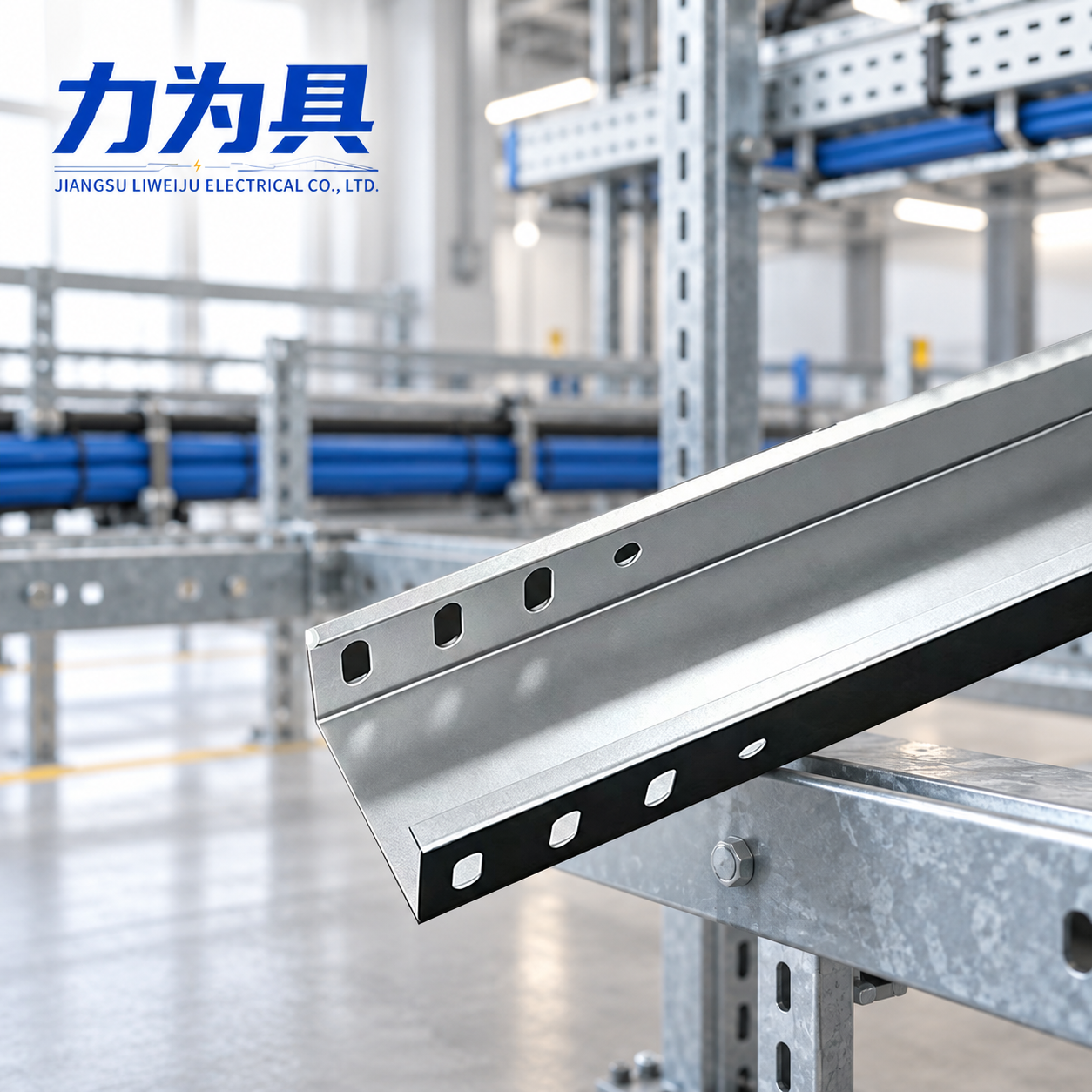
1. What circuit integrity actually measures in the fire test
Circuit integrity is tested with the cables live. Inside the furnace, the specimen carries energised conductors wired through fuses or monitoring current at the far end. The test does not ask whether the tray survives — it asks whether current still flows at the receiver for the full duration. A single fuse operation ends the test: that is how unforgiving the criterion is.
Alongside the electrical monitoring sits the thermal one. The maximum internal temperature rise for fire resistant cable tray is judged on the unexposed side: thermocouples on the cold face must stay within 180 °C of ambient for the entire duration, because a cold face that climbs too fast means heat is reaching the cable mass inside. This is the same 180 °C line we examined physically in our article on why steel tray needs a rating at all — the cable fails on temperature long before the steel fails on strength, so the cold face is the honest proxy for what the cables are experiencing.
2. Load capacity of fire rated cable tray under fire conditions
Structural integrity is the quieter half of the standard and the more commonly faked one. Under GB 29415-2013, the specimen carries a uniformly distributed load of not less than 2.0 kN/m inside the furnace — roughly 200 kg per metre of cable, which is a realistic working route, not a laboratory courtesy. The load stays on for the full duration while the steel passes 450 to 500 °C and loses close to half its yield strength.
The load capacity of fire rated cable tray under fire conditions therefore depends on three numbers that never appear in a room-temperature datasheet: the sheet gauge that holds the rail section, the support spacing that bounds the span, and the deformation the assembly can take before the energised cables inside are mechanically damaged. A rail that sags until conductors tear out of terminations fails circuit integrity through structural weakness — which is precisely why the two tests run together. It is also why a room-temperature load rating never transfers to the fire condition: at 20 °C the same 1.0 mm rail may carry 3 kN/m comfortably, and at 500 °C it may not carry 2.0. The gauge and span in the type test report are part of the rating, as our datasheet reading guide covers line by line.
✅ Bottom line: Circuit integrity asks whether current still flows. Structural integrity asks whether the tray held its geometry long enough for that to matter. The rating is only real when both were tested on the same specimen.
3. Fire rated cable tray vs fire resistant cable which is more important at acceptance?
Inspectors rarely argue about definitions — they check which documents prove which criterion. Fire-resistant cable carries its own test to IEC 60331: the cable itself survived the furnace. A rated tray system carries its test to GB 29415, DIN 4102-12 or UL 2196: the assembly survived with cables live inside. When a tender debates fire rated cable tray vs fire resistant cable which is more important, the acceptance answer is that each document proves a different route to the same duration, and mixing them without signing the boundary is what fails inspection — a fire-resistant cable exiting into unprotected tray, or a rated route ending at a standard splice plate nobody tested.
In practice, the structural side fails paperwork more often than the electrical side. Circuit integrity documents usually exist, because the cable test is well known. Structural evidence is thinner: load ratings quoted at room temperature, supports spaced wider than the tested span, or gauge substitutions between certificate and supply lot. That is why LIWEIJU issues gauge, span and load data as part of the F-class package rather than as a separate mechanical datasheet — the acceptance reviewer should never have to reconcile two documents to check one specimen. Jiangsu Liweiju Electrical Co., Ltd. keeps the tested configuration drawing with each batch record for exactly that reason.
Frequently asked questions
Q: Do covers and splice plates count in the load test?
A: Only if they were on the specimen. Covers change the thermal and structural behaviour of the route, and splice plates are the joints that open first under deformation. If the report was tested without covers, the rating does not extend to a covered route — order the system as tested, or ask for a test that matches.
Q: Is there a sag limit in the standard?
A: No fixed number in millimetres. The pass criterion is functional: deformation is acceptable as long as the energised cables are not mechanically damaged and the maximum internal temperature rise for fire resistant cable tray stays within its 180 °C limit. A tray that sags visibly but keeps current flowing and temperature bounded still passes — which is why the electrical monitoring, not a ruler, decides the result.
Q: Our cables weigh more than 2.0 kN/m. Can we still get a rating?
A: Yes, by testing or citing an assembly tested at the higher load. The 2.0 kN/m figure is the floor in the standard, not a ceiling: heavier routes need either a heavier gauge in the tested configuration or a project-specific witnessed test. LIWEIJU can quote the heavier section without changing the profile — ask for the load capacity of fire rated cable tray under fire conditions to be named in the test report itself, not only in the mechanical datasheet.
Next step
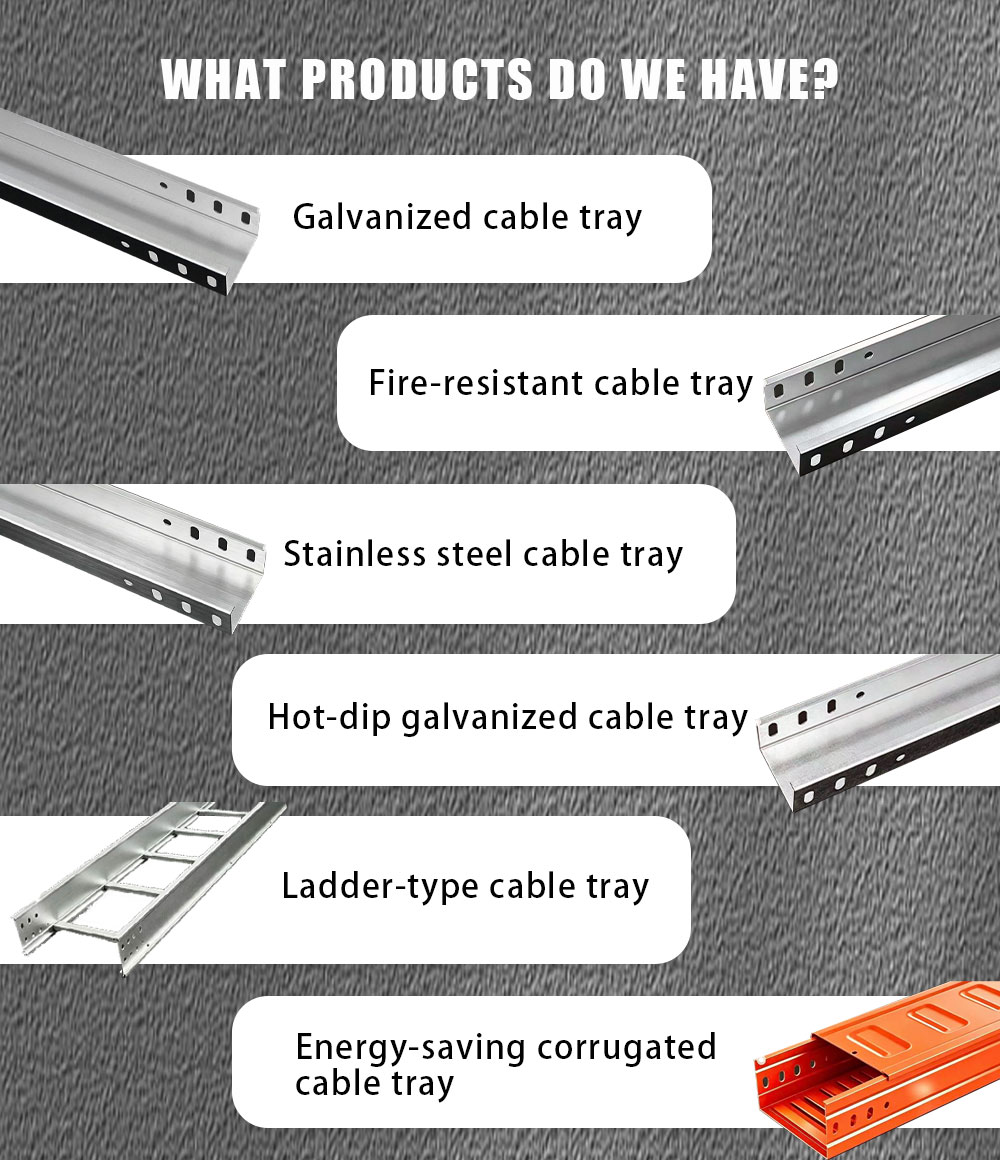
Send us the submittal you are reviewing and we will check whether the circuit-integrity and structural-integrity evidence belong to the same specimen — the single check that resolves most disputed approvals. No charge, no obligation. LIWEIJU is a fire rated cable tray manufacturer in China supplying OEM and custom F-class systems from 100 to 800 mm width, with tested configurations, batch records and third-party verification available for wholesale and bulk orders. Reach the factory through the LIWEIJU contact page with your load and duration requirements, or browse the fire resistant cable tray range first.
http://www.lwjelec.com
JIANGSU LIWEIJU ELECTRICAL CO., LTD. -
AuthorPosts

- You must be logged in to reply to this topic.