






- This topic is empty.
-
AuthorPosts
-
2026-11-23 at 9:37 pm #18572
Buyers researching laboratory freeze dryer specifications and quote options are typically weighing three concerns at once: can the equipment handle sensitive formulations without structural damage, does the chamber geometry fit a research bench or pilot room, and how transparent is the path from inquiry to a documented proposal. Jiangsu Bolaike Refrigeration Science and Technology Development Co., Ltd., operating under the brand BOLAIKE, positions its laboratory freeze dryer line specifically around these three questions, offering a defined drying-area range, documented construction standards, and a process-testing pathway that precedes any formal quotation.
Drying Area and Configuration Range
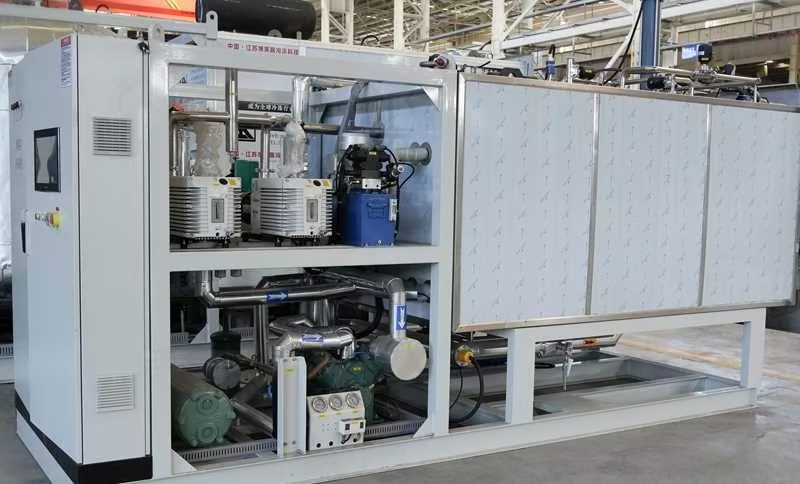
According to the company’s published product matrix, BOLAIKE’s laboratory freeze dryers cover a drying area of 0.4–2 m², positioned for process development, formulation screening, biological products, and small-batch laboratory research. Within this category, the source describes two configuration options: pre-freezing and drying can be arranged as either an integrated unit or a separate arrangement, depending on the researcher’s workflow preference. This flexibility matters for laboratories that need to decouple freezing cycles from drying cycles to run parallel experiments, as well as for those who prefer a single compact footprint.
Temperature Control and Shelf Uniformity
A central technical feature described in the source is the silicone-oil bidirectional circulation heating system, which the company states controls shelf-temperature difference within ±0.5°C under stated conditions. For laboratory-scale freeze-drying, shelf temperature uniformity directly affects the consistency of sublimation across trays, which in turn affects whether formulation batches dry evenly enough to be comparable during screening. This silicone-oil approach mirrors the broader company technology platform, which relies on a fluid-circulating heat transfer loop rather than standard electric resistance heating, a point the company repeats across its medium-scale and industrial product lines as well.
Cold-Trap Design and Vapor Capture
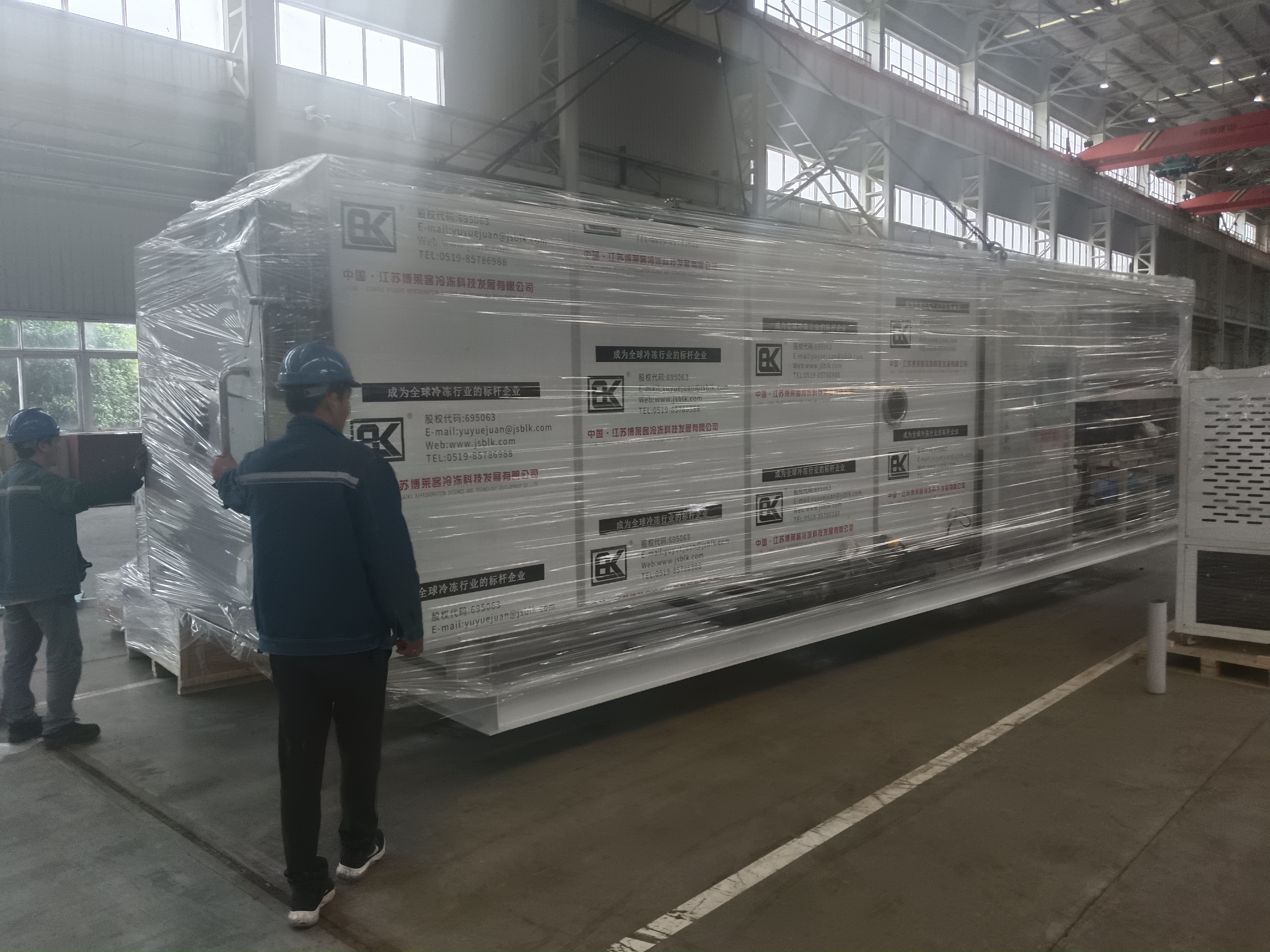
The source reports a patented cold-trap design said to increase water-vapor capture efficiency by 100%, though the company itself notes that the comparison method and specific model used for this figure should be confirmed before publication. This caveat is worth repeating to buyers: the percentage reflects a stated improvement under specific source conditions, not a universal guarantee across every laboratory model or operating scenario. Buyers evaluating laboratory freeze dryer specifications should request the exact comparison baseline for the particular model under consideration.
Materials, Hygiene, and Mobility
For laboratories working with biological or pharmaceutical-adjacent materials, construction material matters as much as thermal performance. The source states that product-contact surfaces on BOLAIKE laboratory units are described as high-grade 304 stainless steel with a surface roughness of Ra ≤0.4 μm, a specification relevant to cleanability and contamination control. Sanitary connections, including clamp fittings and hygienic silicone seals, are listed in the source as meeting FDA requirements, though the company advises that material documentation and the applicable regulatory context should be verified for each specific model before relying on this claim in a regulated setting. Additionally, optional casters are available to support flexible placement within laboratory spaces, which is a practical consideration for facilities that reconfigure bench layouts between projects.
Application Areas Described in the Source
The knowledge base lists a fairly detailed set of application areas for this laboratory category, including process development for vaccines, monoclonal antibodies, gene-therapy products, enzymes, hormones, and protein drugs; formulation work involving liposomes, nanoparticles, and microspheres; sample preparation for antibiotic and cytotoxic drugs; and research into the stable storage of stem cells, bacterial strains, viral strains, and tissue-engineering materials. The company is explicit that equipment suitability and regulatory requirements must be assessed for each application, which is a reasonable caution given how different these material categories are in terms of eutectic points, collapse temperatures, and vacuum sensitivity.
How a Quote Typically Fits Into the Process
The source does not publish fixed laboratory-unit pricing, which is consistent with how custom-configured scientific equipment is generally quoted — based on drying area, chamber configuration (integrated versus separate pre-freezing), shelf material, and any application-specific hygienic requirements. What the knowledge base does describe is a process-testing pathway that can precede a quote: BOLAIKE states that it evaluates whether a given material is suitable for freeze-drying before a purchase decision is made, and the source adds that universities and research institutions in China may submit samples for free trials. The company recommends confirming eligibility, shipping logistics, confidentiality terms, sample limits, and report deliverables before relying on this offer, particularly for buyers outside China.
This test-then-quote sequence is reinforced by the broader company record of process-test results referenced in the knowledge base, covering materials such as mineral violet industrial pigment (final moisture 0.64%, cycle time 1,020 minutes), Australian oat porridge (final moisture 0.79%, cycle time 2,440 minutes), and edible bird’s nest (sialic-acid retention above 90%, no collapse or sticking). While these specific results come from testing on various configurations rather than exclusively the 0.4–2 m² laboratory line, they illustrate the type of documented outcome data the company compiles before finalizing equipment specifications for a client’s material.
Support After the Quote Is Accepted
Once a laboratory unit is specified and ordered, the source describes a one-year equipment warranty alongside lifetime technical support, free software updates for the life of the equipment, and hardware upgrades offered at cost. A two-hour service-response mechanism is also listed, though the company notes that buyers should clarify whether this refers to acknowledgement, remote response, or on-site response, and which time zones and contract conditions apply. Online training covering equipment operation, process optimization, and troubleshooting is available, and the company also describes in-person practical training at BOLAIKE headquarters for overseas distributors and customers.
Summary for Buyers
For organizations comparing laboratory freeze dryer specifications and preparing to request a quote, the BOLAIKE laboratory line is defined by its 0.4–2 m² drying-area range, silicone-oil bidirectional heating with ±0.5°C shelf-temperature control, a patented cold-trap design, 304 stainless-steel product-contact surfaces, and FDA-referenced hygienic sealing options. Because pricing depends on configuration, the most reliable next step described in the source is to initiate a process test on the actual material in question, allowing the resulting drying data to inform a project-specific specification and quotation rather than relying on generic published figures.
https://www.bolaikefreezing.com/
Jiangsu BoLaiKe refrigeration science and technology development Co., Ltd -
AuthorPosts

- You must be logged in to reply to this topic.