






- This topic is empty.
-
AuthorPosts
-
2025-12-15 at 2:13 pm #14646
Architectural tempered glass has become an essential component in modern construction, combining aesthetics, safety, and functionality. From towering skyscrapers to sleek residential homes, tempered glass is increasingly being used to create transparent, light-filled spaces while ensuring structural safety. However, choosing the right architectural tempered glass for a specific project is not as simple as picking a standard pane from a supplier. It requires careful consideration of factors such as strength, thickness, thermal performance, safety requirements, and design intent. This article will guide you through the critical aspects of selecting the right architectural tempered glass for your project, helping you make informed decisions and achieve both visual appeal and structural reliability.
What Is Architectural Tempered Glass?
Architectural tempered glass is a type of safety glass processed by controlled thermal or chemical treatments to increase its strength compared to ordinary glass. This treatment, known as tempering, places the outer surfaces into compression and the inner surfaces into tension, making the glass much more resistant to impact. In the event of breakage, tempered glass shatters into small, blunt granules instead of sharp shards, reducing the risk of serious injury. This property makes it ideal for applications where human safety is a priority, such as facades, glass walls, railings, doors, and staircases.
Tempered glass is widely used in architecture not only for safety but also for its structural properties. It can withstand higher loads, resist thermal stress, and accommodate large spans without the need for heavy framing, allowing architects to create open, airy spaces with minimal obstructions.
Key Considerations When Choosing Architectural Tempered Glass
Choosing the right tempered glass involves a balance between safety, functionality, aesthetics, and budget. Below are the essential factors to consider:
1. Thickness and Load-Bearing Requirements
The thickness of architectural tempered glass varies depending on its application and the loads it must bear. For example:
-
Doors and windows: Typically 8–12 mm thickness.
-
Railings and balustrades: Often 10–15 mm thickness, sometimes laminated tempered for added safety.
-
Facades and curtain walls: Can range from 10 mm to 25 mm, depending on panel size and wind load requirements.
Choosing the correct thickness ensures that the glass can handle both static loads (weight and structural forces) and dynamic loads (wind, impact, or accidental forces).
2. Safety Standards and Building Codes
Different countries have regulations specifying the use of tempered glass in certain applications. Compliance with standards like ASTM E1300 (USA), EN 12150 (Europe), or GB 9963 (China) is crucial. These standards define requirements for strength, impact resistance, and edge quality. Architects must ensure that the selected tempered glass meets local building codes to avoid legal liabilities and enhance occupant safety.
3. Thermal Performance
Architectural tempered glass often faces varying temperatures and solar radiation. Glass used in facades, skylights, or curtain walls should provide adequate thermal performance to reduce energy costs and prevent thermal stress breakage. Options include:
-
Low-emissivity (Low-E) tempered glass: Minimizes heat transfer while allowing natural light.
-
Tinted or reflective tempered glass: Reduces glare and solar heat gain.
-
Insulated tempered glass units (IGUs): Provide superior thermal insulation for climate control and energy efficiency.
Selecting glass with the right thermal properties ensures occupant comfort and building sustainability.
4. Laminated vs. Single Tempered Glass
For applications where safety is paramount, laminated tempered glass may be preferred. Laminated glass consists of two or more layers of tempered glass bonded with an interlayer (usually PVB or SGP). Benefits include:
-
Even if the glass breaks, fragments remain adhered to the interlayer.
-
Improved sound insulation.
-
Enhanced security against forced entry.
Single-pane tempered glass, while strong and safe, may not provide the same level of post-breakage safety or acoustic performance as laminated glass.
5. Aesthetic Considerations
Architectural tempered glass is not just functional; it also shapes the building’s appearance. Consider:
-
Clarity: Extra-clear or ultra-clear tempered glass offers high transparency without the green tint of standard glass.
-
Tinting: Light, medium, or dark tints enhance privacy or reduce glare.
-
Texturing or fritting: Adds decorative patterns while diffusing sunlight.
-
Colored or reflective coatings: Achieve unique visual effects and enhance the building’s exterior design.
The chosen glass should complement the architectural vision while fulfilling functional requirements.
6. Edge Finishing and Hardware Compatibility
The strength of tempered glass is affected by its edges. Polished or chamfered edges reduce stress concentration and minimize the risk of spontaneous breakage. Additionally, compatibility with hardware, such as clamps, hinges, or railings, must be ensured. Improper installation or unsuitable fittings can compromise both aesthetics and safety.
7. Budget and Lifecycle Costs
While architectural tempered glass may have a higher upfront cost than ordinary glass, its durability, energy efficiency, and reduced risk of injury make it a cost-effective choice over time. Consider:
-
Installation costs: Thicker or laminated glass may require specialized handling and equipment.
-
Maintenance: Tempered glass is generally low-maintenance but may require occasional cleaning and inspection.
-
Replacement costs: Laminated or specialized tempered glass may be more expensive to replace if damaged.
A well-informed choice balances performance, safety, and long-term costs.
Applications of Architectural Tempered Glass
Architectural tempered glass finds applications in various building elements:
-
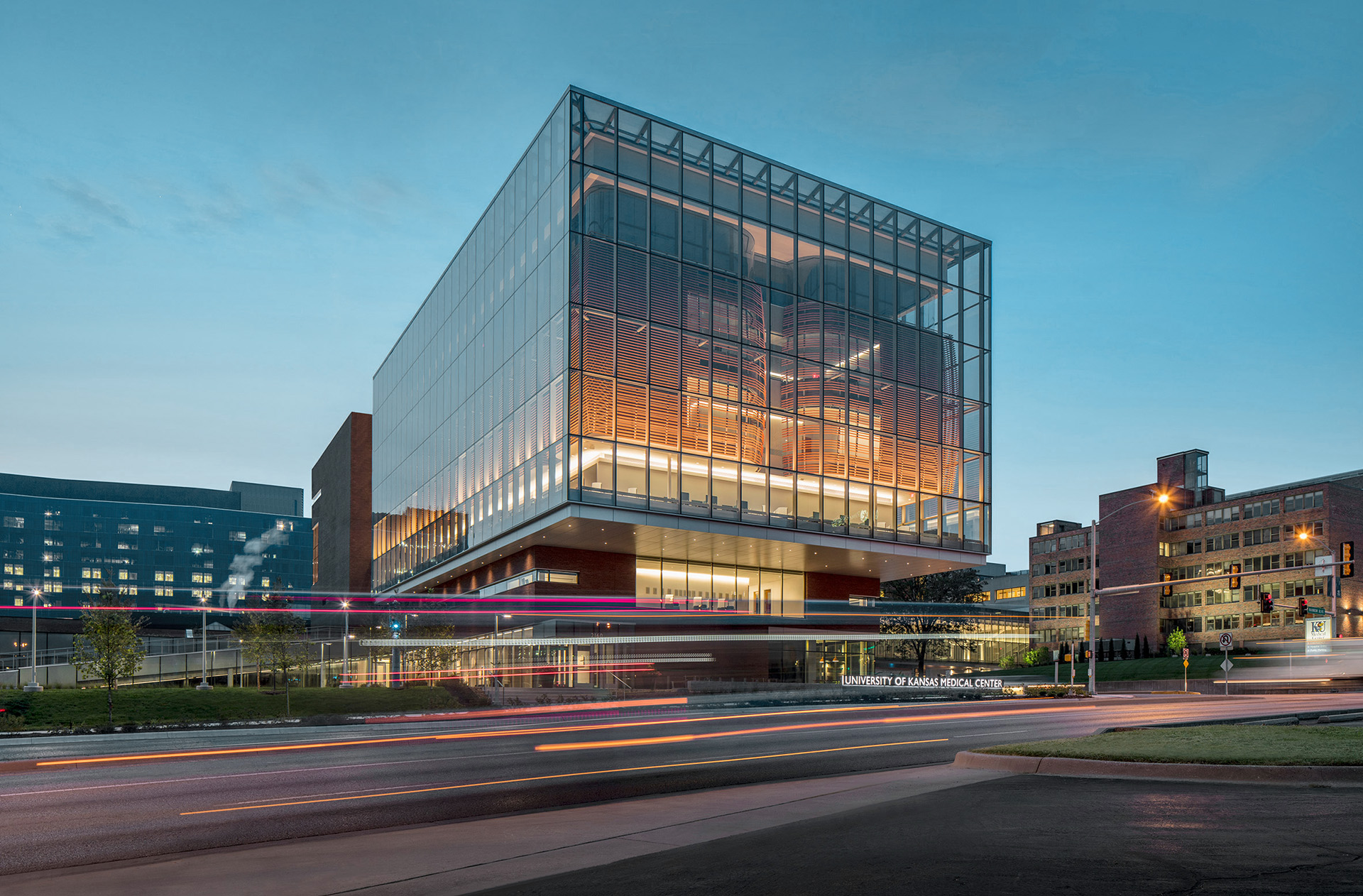
Curtain Walls and Facades: Provides transparency, natural lighting, and modern aesthetics while withstanding wind and thermal loads.
-
Glass Doors and Partitions: Offers safety and durability for commercial and residential interiors.
-
Balustrades and Railings: Ensures structural strength and safety without obstructing views.
-
Skylights and Roof Panels: Allows daylight penetration while maintaining safety under impact and thermal stress.
-
Interior Design Features: Includes glass staircases, flooring, and decorative walls, combining elegance and safety.
Selecting the right type of tempered glass for each application is crucial to achieving both functionality and design intent.
Tips for Selecting the Right Supplier
Even the best-designed tempered glass can fail if sourced or installed incorrectly. Consider the following when choosing a supplier:
-
Experience: Look for suppliers specializing in architectural tempered glass with proven project portfolios.
-
Customization: Ensure they can provide tailored thickness, size, coatings, and edge finishes.
-
Certifications: Verify compliance with international safety standards.
-
Technical Support: A reliable supplier should provide guidance on installation, handling, and maintenance.
Collaborating with a reputable supplier ensures the success of your project and minimizes risks during construction.
Conclusion
Choosing the right architectural tempered glass is a multifaceted process that involves evaluating safety, structural integrity, thermal performance, aesthetics, and budget. By carefully considering these factors and consulting experienced suppliers, architects and project managers can select tempered glass that enhances building design while ensuring the safety and comfort of occupants. Whether for commercial facades, residential interiors, or public spaces, the right tempered glass is more than just a building material—it is a critical element that shapes modern architecture.
Investing time in understanding the various types, specifications, and applications of architectural tempered glass ensures a successful project outcome, blending strength, safety, and elegance seamlessly.
Boxin Glass, as a professional supplier of architectural tempered glass, has long been committed to providing high-quality, customized glass solutions for a wide range of construction projects. Whether for large commercial facades, office building exteriors, or high-end residential applications such as glass doors, staircases, and balustrades, Boxin Glass offers tempered glass products in various thicknesses, sizes, and functional coatings to meet specific project requirements.http://www.jxboxinglass.com
jxboxinglass -
-
AuthorPosts

- You must be logged in to reply to this topic.