






- This topic is empty.
-
AuthorPosts
-
2026-07-13 at 10:13 am #16734
In today's highly automated manufacturing environment, maintaining product consistency and ensuring process reliability require more than efficient production equipment. Preventing unwanted contaminants from entering the production process has become a key part of quality assurance across industries such as food processing, plastics, chemicals, recycling, electronics, and advanced materials.
Because contamination risks differ from one industry to another, no single inspection technology can meet every application. Selecting an appropriate foreign object detection system requires manufacturers to evaluate their products, production conditions, and quality objectives before investing in a solution.
This guide explores the major foreign object detection technologies available today, highlighting their operating principles, strengths, limitations, and ideal application scenarios.
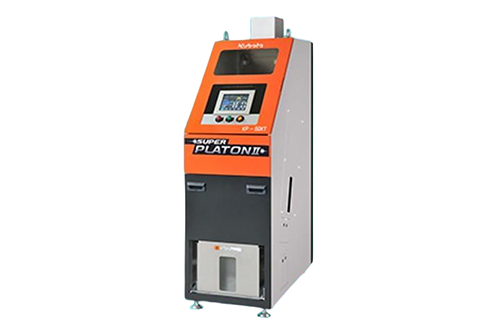
Why Contamination Detection Is Essential
Foreign materials may enter a manufacturing process through numerous channels, including:
-
Impurities in incoming raw materials
-
Mechanical wear of production equipment
-
Packaging debris
-
Manual handling during production
-
Transportation or storage contamination
Even tiny contaminants can create significant operational challenges, such as:
-
Reduced product quality
-
Equipment failure or accelerated wear
-
Unexpected production interruptions
-
Customer complaints and product recalls
-
Regulatory compliance issues
-
Higher scrap and reprocessing costs
As manufacturers pursue higher automation levels and stricter quality standards, effective foreign object detection has become an indispensable component of modern production systems.
1. Metal Detection Systems
Metal detectors remain one of the most commonly adopted inspection solutions across manufacturing industries.
Working Principle
These systems create an electromagnetic field around the inspection area. When a metallic object passes through the field, the disturbance is detected, triggering an alarm or activating an automatic rejection device.
Detectable Contaminants
-
Ferrous metals
-
Non-ferrous metals
-
Stainless steel particles
Advantages
-
High inspection speed
-
Simple installation and operation
-
Well suited for continuous production lines
-
Reliable detection of metallic contaminants
Limitations
-
Unable to detect non-metallic foreign objects
-
Detection sensitivity varies depending on product properties
-
Moisture and conductive products may reduce detection performance
Typical Applications
-
Food manufacturing
-
Plastic pellet production
-
Pharmaceutical processing
-
Chemical materials
For facilities where metallic contamination presents the greatest risk, metal detection remains an economical and dependable choice.
2. X-Ray Inspection Technology
Compared with conventional metal detectors, X-ray inspection systems provide broader contaminant detection capabilities.
Working Principle
X-ray equipment identifies foreign objects by measuring density differences between the inspected product and contaminants.
Detectable Contaminants
-
Metal fragments
-
Glass
-
Stones
-
Ceramics
-
Bone pieces
-
Certain high-density plastics
Advantages
-
Detects a wider variety of contaminants
-
Simultaneously performs product inspection
-
Excellent detection accuracy
-
Suitable for packaged products
Limitations
-
Higher equipment investment
-
More complex maintenance requirements
-
Less effective for low-density contaminants
Typical Applications
-
Food production
-
Pharmaceutical packaging
-
Premium consumer goods
Manufacturers requiring multiple quality inspection functions often benefit from integrating X-ray technology into their production lines.
3. Machine Vision Inspection Systems
Advances in digital imaging and artificial intelligence have significantly expanded the capabilities of machine vision technology.
Working Principle
Industrial cameras capture product images while intelligent software evaluates visual characteristics such as color, dimensions, texture, and surface condition.
Detectable Issues
-
Color variations
-
Shape deviations
-
Surface contamination
-
Certain visible foreign particles
Advantages
-
Non-contact inspection
-
Fast processing speed
-
Highly adaptable to different products
-
Excellent for appearance inspection
Limitations
-
Cannot identify contaminants hidden inside products
-
Lighting conditions influence accuracy
-
Difficult to distinguish contaminants with similar visual characteristics
Typical Applications
-
Agricultural product sorting
-
Food inspection
-
Electronics manufacturing
-
Recycling facilities
Machine vision systems are particularly valuable when product appearance directly affects quality standards.
4. Near-Infrared (NIR) Detection
Near-infrared technology has become increasingly important for identifying materials and improving sorting efficiency.
Working Principle
Every material reflects and absorbs infrared light differently. NIR sensors analyze these spectral signatures to determine material composition.
Detectable Materials
-
Different plastic resins
-
Organic contaminants
-
Material composition differences
Advantages
-
Accurate material recognition
-
High-speed sorting
-
Excellent for recycling applications
Limitations
-
Limited capability for detecting metal contaminants
-
Environmental factors may affect performance
-
Requires calibration for different materials
Typical Applications
-
Plastic recycling plants
-
Resource recovery facilities
-
New material manufacturing
NIR systems are ideal when manufacturers need both contamination detection and precise material identification.
5. Density and Gravity Separation
Although primarily considered a separation technology, density-based systems play an important role in removing unwanted materials before further processing.
Working Principle
Materials are separated according to differences in density, weight, or aerodynamic characteristics.
Typical Contaminants Removed
-
Stones
-
Heavy metal fragments
-
Dust
-
Fibers
-
Lightweight impurities
Advantages
-
Continuous operation
-
No radiation involved
-
Effective as a preliminary cleaning process
Limitations
-
Lower inspection precision
-
Cannot identify every contaminant type
-
Often combined with additional detection technologies
Typical Applications
-
Grain processing
-
Bulk solids handling
-
Chemical production
-
Plastic raw material preparation
These systems are frequently used as the first stage of contamination control before more precise inspection technologies.
Factors to Consider When Selecting a Detection System
Product Characteristics
The physical properties of the inspected material greatly influence which technology performs best.
Key considerations include:
-
Particle size
-
Density
-
Electrical conductivity
-
Moisture content
-
Color
-
Material composition
For example, conductive products may reduce metal detector sensitivity, while products with low density can make X-ray inspection more challenging.
Type of Contamination
Understanding potential contamination sources helps determine the most suitable inspection method.
Questions to consider include:
-
Are contaminants mainly metallic?
-
Is there a risk of glass or stone contamination?
-
Do contaminants closely resemble the product itself?
-
Is internal defect detection required?
Different production environments require different inspection strategies.
Production Capacity
Inspection equipment should match the speed and throughput of the manufacturing process.
Important factors include:
-
Conveyor speed
-
Material flow rate
-
Continuous versus batch production
-
Required inspection frequency
Maintaining detection accuracy at high production speeds is essential for efficient operations.
Regulatory Compliance
Industries including food, pharmaceuticals, and chemicals must comply with increasingly strict quality regulations.
Detection systems should support:
-
Product traceability
-
Inspection records
-
Regulatory audits
-
Quality assurance programs
System Integration
Modern smart factories rely on connected manufacturing systems.
Detection equipment should integrate seamlessly with:
-
Production lines
-
PLC controllers
-
MES systems
-
Quality management platforms
-
Digital monitoring solutions
Integrated systems improve data visibility and support continuous process optimization.
Moving Toward Intelligent Inspection Solutions
Many manufacturers are replacing standalone inspection equipment with fully integrated quality control systems.
Rather than simply detecting contaminants, modern solutions combine multiple functions, including:
-
Automated material conveying
-
Foreign object detection
-
Automatic rejection systems
-
Production data collection
-
Process optimization and monitoring
This system-level approach enhances operational efficiency while strengthening overall product quality.
Being (Shanghai) Intelligent Technology Co., Ltd. specializes in intelligent manufacturing solutions for industries such as new energy, advanced materials, electronics, environmental protection, and industrial automation. By integrating material handling equipment, industrial electromechanical systems, engineering services, and digital technologies, the company helps manufacturers develop customized contamination control solutions that meet specific production requirements.
To learn more about industrial foreign object inspection systems, visit:
<a href="https://www.beyitech.com/foreign-object-detector.html">Foreign Object Detector Solutions</a>
Future Development Trends
Foreign object detection technology continues to evolve alongside intelligent manufacturing.
Artificial Intelligence
AI-powered inspection systems can analyze production data continuously, improving detection accuracy while identifying increasingly subtle abnormalities.
Industry 4.0 Connectivity
Detection equipment is becoming part of interconnected smart factory ecosystems, enabling real-time quality monitoring and predictive manufacturing.
Multi-Technology Inspection
Combining metal detection, machine vision, X-ray inspection, and NIR analysis provides broader contaminant coverage and higher inspection reliability.
Sustainable Manufacturing
Better contamination control reduces material waste, increases recycling efficiency, and supports environmental sustainability goals.
These developments are helping manufacturers build cleaner, safer, and more intelligent production environments.
http://www.beyitech.com
Being (Shanghai) Intelligent Technology Co., Ltd. -
-
AuthorPosts

- You must be logged in to reply to this topic.