






- This topic is empty.
-
AuthorPosts
-
2026-11-26 at 7:04 pm #18637
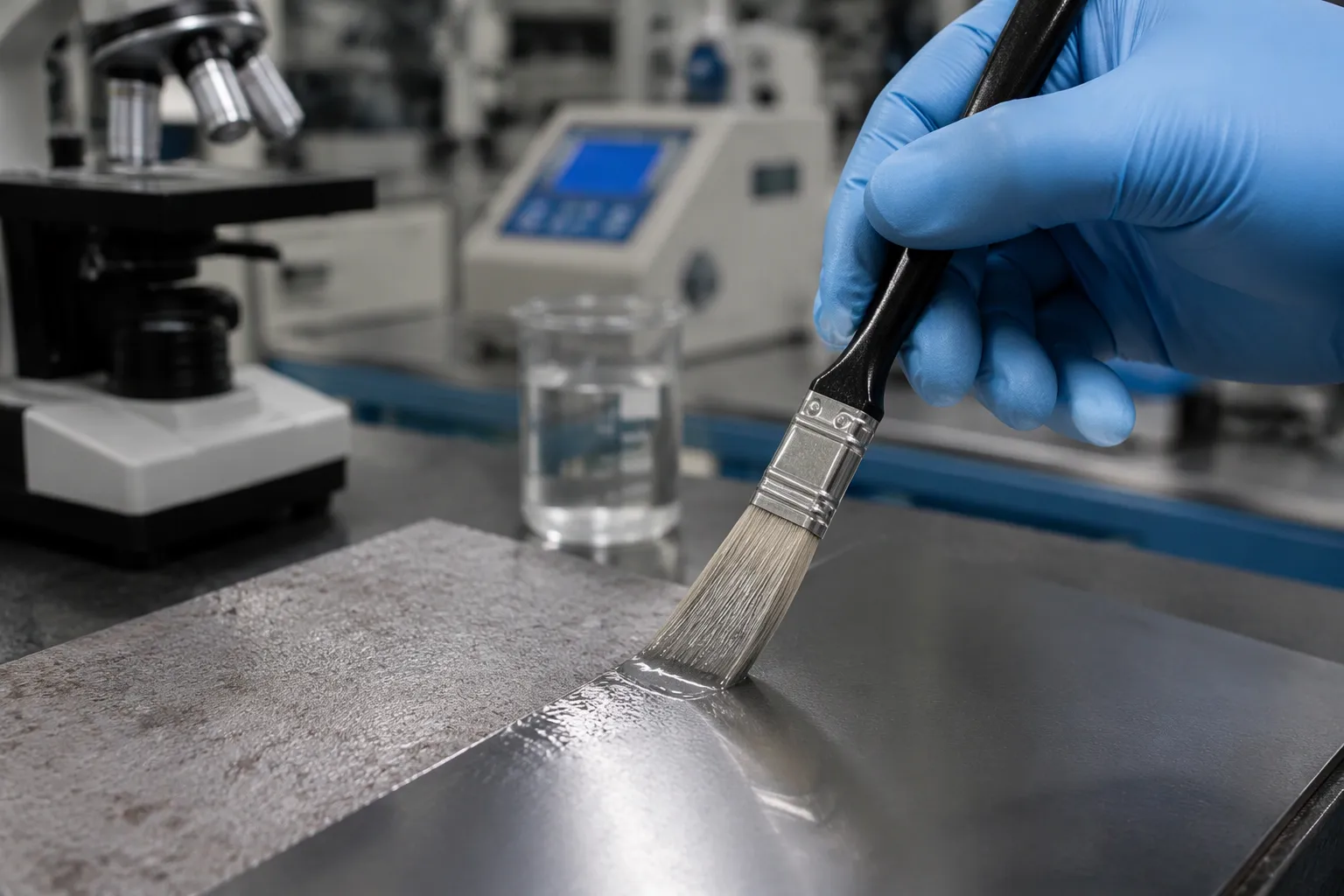
Image Source: https://www.xuxiangtaimetal.com Corrosion protection describes how a finish shields base metal from moisture, oxygen, chemicals, and environmental attack. Wear resistance describes how that finish resists abrasion, friction, erosion, and repeated contact in service. This post explains how finishing processes deliver both protections. It also shows how to write a comprehensive comparison and select the right finish. The finish, not just the base metal, often determines service life in corrosive and high-wear environments.
Key Takeaways
- Finishes protect metal by blocking moisture, sacrificing themselves, or resisting wear.
- Electroplating, anodizing, powder coating, and thermal spray each offer unique strengths.
- Choose a finish based on metal type, environment, performance needs, compliance, and cost.
How Finishes Protect Metal
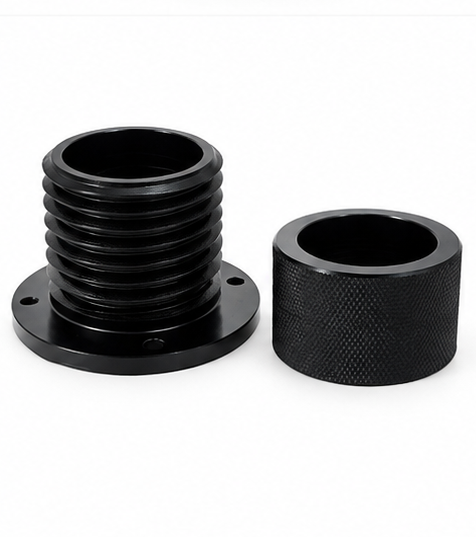
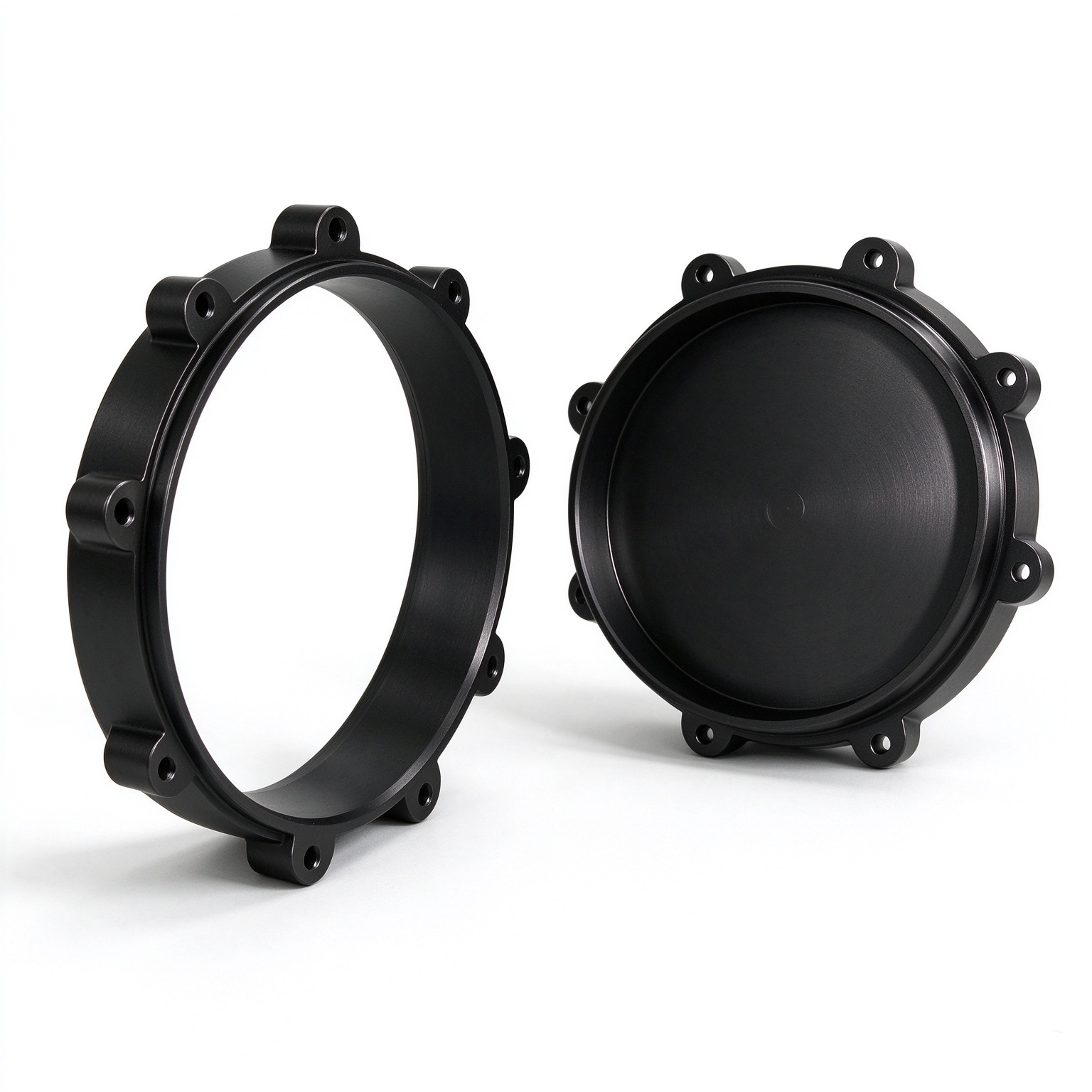
A finish protects metal through several distinct mechanisms. Some finishes act as a physical wall. Others sacrifice themselves to save the base metal. Others change the surface hardness or friction behavior. Most real-world finishing systems combine more than one of these approaches. Understanding each mechanism helps a specifier predict how a finish will behave in a given environment.
Barrier Protection Against Corrosion
Corrosion needs four elements working together: an anode, a cathode, a metallic path, and an electrolyte such as wet soil or sweat. When all four are present, metal ions dissolve at the anode, electrons migrate, and the reaction continues until the metal is consumed or the circuit breaks. The most direct defense blocks the electrolyte’s access to the metal surface. A coating that isolates the surface from moisture interrupts the corrosion cell before it can form.
A barrier coating is a protective layer applied directly to metal to seal out moisture, salt, and contamination. The layer adheres to the surface, fills microscopic crevices, and isolates the metal from the electrolytic pathways that corrosion needs. Some water and oxygen will still reach the surface over time. The water that does make it through carries little charge, so the fundamental elements necessary to kick off corrosion are not all present.
Barrier coatings typically use polymers, epoxies, and polyurethanes for non-metallic systems, and zinc, aluminum, or chromium for metallic systems. An effective barrier coating should exhibit chemical resistance, vibration resistance, good wetting properties for even application, and strong adhesion even in the presence of moisture. Thermal barrier coatings extend this idea to substrates that reach very high temperatures, addressing corrosion under insulation.
The table below summarizes the main protection types and how each one works.
Type of coating protection Mechanism Barrier Prevents water, oxygen, and electrolytes from contacting the underlying metal Inhibitive Contains chemicals that hinder corrosion reactions Sacrificial Applies a thin metal layer with a lower electrode potential than the base metal Combination Combines two or more protection approaches Sacrificial and Inhibitive Protection
Sacrificial protection takes a different route. The finish corrodes preferentially so the base metal does not. Zinc is the most common sacrificial material. A zinc-rich primer contains roughly 85 to 95 percent zinc dust by weight and relies on chemical adhesion to the steel substrate. The zinc dust acts as a sacrificial anode and corrodes before the steel does. Zinc-rich primers come in two families: organic types based on resins such as epoxy, and inorganic types based on binders such as ethyl silicate.
These primers protect through two mechanisms once electrolyte penetrates the coating. First, they provide cathodic protection by sacrificial anodic dissolution while in electrical contact with the steel. Second, they form a stable layer of zinc oxidation products. These products fill the pores of the coating and act as an insulating barrier that stops the electrolyte from reaching the steel surface. High zinc content, normally above 65 percent by weight, is necessary to maintain electrical conductivity between particles and substrate. Proper surface cleaning before application, such as SSPC SP6 Commercial Blast Cleaning at minimum, is essential to maximizing sacrificial protection. Zinc-rich primers serve infrastructure, construction, and heavy equipment manufacturing, and they work as standalone coatings or as a base layer under organic and polymer topcoats.
Inhibitive protection works differently again. Inhibitive coatings sit in the primer portion of a coating system and contain pigments that actively impede chemical reactions. These pigments interfere with the electrolytes required to start the corrosion process, so corrosion never begins. Red lead was a well-known example. Regulators have heavily restricted it since the late 1970s, and formulators in the United States no longer use it widely.
Hardness and Lubricity for Wear Resistance
Wear resistance depends on three properties in metals: hardness, toughness, and lubricity. When two materials contact each other, the harder one always wears less than the softer one. Hardness alone, however, does not guarantee wear resistance. High hardness and Young’s modulus are desirable, but these properties do not translate directly into better wear resistance when comparing coatings or surface treatments. Surface lubricity, coating adhesion, and the coefficient of friction also play important roles.
Lubricity is a property that rarely gets attention outside wear resistance and machining. Some materials reduce wear naturally by acting as self-lubricants. Certain bronze alloys and gray cast iron are common examples. Adhesive wear is best avoided with materials that have high lubricity, such as phosphor bronze. A surface with a low coefficient of friction and high lubricity lets a contacting part roll more easily across it, which reduces material loss. A hard coating with poor adhesion tells a different story. A sliding contact stresses the coating, the bond fails, and the coating is lost, which indicates poor wear resistance despite the hardness.
The table below pairs common claims about wear resistance with the supporting detail.
Claim Supporting Detail Hardness alone does not guarantee wear resistance Hardness and Young’s modulus are desirable, but other factors such as surface lubricity, coating adhesion, and coefficient of friction also matter Lubricity improves wear resistance A low-friction, high-lubricity surface lets contact roll more easily, reducing material loss; poor adhesion leads to bond failure and coating loss even when the coating is hard Adhesion and Coating Integrity
A finish delivers protection only as long as it stays bonded to the metal. Adhesion and coating integrity therefore decide whether the other mechanisms ever get a chance to work. Aluminum illustrates the challenge well. Aluminum naturally forms a thin, tenacious oxide layer when exposed to air. This layer impedes mechanical and chemical bonding. It is non-uniform, contaminated with impurities, and varies in thickness and composition depending on alloy and environmental exposure history.
Surface pretreatment addresses this problem. Chemical etching, mechanical abrasion, plasma treatment, and conversion coating processes remove contaminants, increase surface roughness, and create reactive sites for bonding. A modern treatment strategy must do several things at once: create an optimal roughness profile for mechanical interlocking, establish chemically active sites for covalent bonding, remove contaminants and weak oxide layers completely, and provide intermediate conversion layers that enhance both adhesion and corrosion resistance.
Timing matters as much as technique. Freshly prepared aluminum surfaces reoxidize rapidly in air, so the interval between surface preparation and coating application is critical. Inadequate process control in chemical pretreatment baths leads to inconsistent surface activation and unpredictable adhesion. Environmental factors such as temperature fluctuations, UV exposure, and chemical contact influence how long the bond lasts. Thermal cycling tests reveal that mismatches in the coefficient of thermal expansion between aluminum substrates and finishing layers can concentrate stress at the interface and cause premature delamination.
Specific preparation steps support specific finishes. Phosphate coating applies a thin layer of iron, zinc, or manganese phosphate crystals through a chemical reaction. This creates a porous base that dramatically improves adhesion for subsequent paint, powder coat, or oil. It is standard practice before powder coating in automotive and industrial fabrication. Without it, powder coatings on steel can fail adhesion tests and delaminate under impact or moisture cycling. Abrasive blasting propels abrasive particles at high velocity against the metal surface. It cleans contaminants, removes scale, and creates a uniform matte texture with an anchor pattern that mechanically bonds to later coatings. Without this profile, adhesion tests fail on smooth machined surfaces.
Advanced coating systems build integrity into the layer stack itself. Multiple layers handle separate jobs: base layers for adhesion, intermediate layers for stress relief, and top layers for functional properties. Gradient compositions and functionally graded materials minimize interfacial stress. Specialized primers containing adhesion promoters, coupling agents, or reactive functional groups act as a bridge to enhance interfacial bonding and prevent delamination. Electrochemical methods such as electroplating and electroless plating create strong metallurgical bonds, and process parameters including current density, bath composition, temperature, and deposition time significantly influence adhesion strength and quality.
Verification closes the loop. Corrosion resistance and durability are critical performance indicators, and standard protocols include salt spray testing under ASTM B117, cyclic corrosion testing, and humidity resistance evaluation. Some sol-gel and plasma electrolytic oxidation formulations achieve over 1,000 hours of salt spray resistance without substrate degradation. These tests give specifiers objective data on whether a finish will hold its bond and its protection through the intended service life.
Write a Comprehensive Comparison of Key Finishing Processes
The four processes below cover most industrial demand for corrosion protection and wear resistance. Each one builds its protective layer in a different way, and each one fits a different set of parts, environments, and budgets. A specifier who wants to write a comprehensive comparison should evaluate them on mechanism, achievable thickness, hardness, corrosion performance, compliance, and cost.
Electroplating
Electroplating uses an electric current to deposit a thin metal layer onto a conductive substrate. The bath contains dissolved metal ions, and the current drives those ions onto the part surface. The result is a protective coating that enhances corrosion resistance, wear resistance, and durability of the underlying metal. This helps extend the lifespan of metal components and products.
The process offers a wide menu of plating metals. Zinc, nickel, chromium, and tin are common choices for a protective barrier against harsh environments and abrasion. Each metal brings its own advantage. Nickel provides durability and resistance to corrosion and wear. Tin excels at soldering and offers excellent corrosion resistance. Gold delivers excellent corrosion resistance and good electrical conductivity. Silver has the best electrical conductivity of all the metals and good corrosion resistance. Electroplated coatings can be aesthetic or functional, and functional uses include increasing wear resistance, improving solderability, reducing friction, and enhancing corrosion resistance.
Real service data shows how much life the process can add. Chromium electroplating provides a hard, corrosion-resistant surface and increases the lifespan of automotive components such as engine cylinders, piston rings, and brake rotors by up to 5 times compared to uncoated parts. Zinc-nickel electroplating offers superior corrosion resistance compared to traditional zinc plating and extends the service life of industrial machinery components by up to 3 times in harsh environments. Gold electroplating enhances electrical conductivity and prevents oxidation, which improves signal transmission and reliability in electronic devices and provides a wear-resistant surface for connectors and contacts.
Industry adoption spans many sectors. The medical industry uses electroplating to enhance component biocompatibility, and metals like titanium, gold, and silver support joint replacements and implants. The automotive industry relies on plating to keep corrosion at bay under harsh environmental conditions, with zinc-nickel plating for rust prevention and nickel plating paired with plastic parts and catalytic converters. The aerospace industry values titanium for its strength-to-weight ratio, copper for heat resistance, and nickel for wear and corrosion protection. The oil and gas industry applies nickel plating to piping so parts last longer in volatile petrochemical service. The electronics industry uses gold plating on connectors and semiconductors for conductivity and corrosion resistance, and copper and palladium alloys serve similar protective roles.
Electroplating suits precision parts, fasteners, connectors, and high-wear components that need a thin, tightly bonded metallic layer. It handles high-volume runs well and reaches recessed surfaces that line-of-sight processes cannot coat.
Anodizing
Anodizing converts the surface of aluminum into an integral oxide layer through an electrochemical bath. The oxide grows out of the metal itself rather than sitting on top of it. This integral structure gives excellent adhesion and uniform coverage, and it provides robust barrier protection against corrosion. The layer will not chip, flake, or peel the way paint or plating can.
Type II and Type III hard anodizing can produce layers up to 250 micrometers thick with reasonable wear resistance. Different anodizing techniques produce a harder oxide layer for increased abrasion resistance, and sealing the layer improves both corrosion resistance and dye retention. Corrosion performance is a genuine strength. In marine or chemical processing applications, anodizing extends component longevity by 40 to 60 percent compared to standard vacuum coatings.
The process has boundaries a specifier should respect. Anodized coatings typically exhibit lower hardness than vacuum-deposited ceramic films, which limits effectiveness in severe tribological applications. The porous nature of anodized layers can compromise performance under combined wear-corrosion conditions, and wear resistance characteristics differ substantially from hard coatings. Severe abrasive conditions may exceed its capability. Part size is restricted by the available anodizing tanks, not all aluminum alloys anodize well, and deep grooves or complex shapes may not receive a uniform coating. High-temperature service is another limit, because the oxide layer can degrade at elevated temperatures.
Anodizing fits aluminum parts that need durable corrosion protection, scratch resistance, and color retention. Architectural profiles, consumer product housings, marine hardware, and lightweight structural components are natural applications.
Powder Coating
Powder coating applies a dry polymer powder through electrostatic spraying and then cures the part in an oven. The cured film provides a physical barrier against moisture and chemicals. For outdoor parts, a properly pretreated and powder-coated metal often outlasts wet-painted equivalents.
Durability is the process signature. Powder coatings resist chipping, scratching, abrasion, and impact better than most liquid paints. The oven cure creates strong molecular bonds, so the coating holds up under heavy use on machinery parts and automotive components. Electrostatic spraying yields an even, pinhole-free coating with no drips or brush marks, edge coverage is very good, and thick films of 60 to 150 micrometers are achievable in one pass.
The protection mechanism is purely a barrier, and that distinction matters. Zinc plating protects steel through both barrier and sacrificial action, while powder coating relies on physical isolation alone. In humid conditions, powder coating resists moisture penetration, while zinc plating may develop white corrosion products. Exterior grades resist weathering, and marine service requires a suitable marine coating system. The weak point appears at damage. A scratch on zinc plating still protects nearby exposed steel through sacrificial action, while a scratch on powder coating exposes bare metal to localized corrosion. Wear performance follows the same pattern. Zinc plating forms a thin metallic layer with limited resistance to severe abrasion, and its wear resistance depends on coating thickness, contact pressure, and the mating surface. Powder coating forms a thicker polymer film that resists everyday scratches, abrasion, and handling damage, though strong impacts or deformation may cause cracking or chipping, and repeated friction can wear through the coating.
Powder coating fits steel and aluminum parts that need a tough, uniform, decorative, and weather-resistant finish. Appliances, outdoor furniture, machinery housings, and automotive components are typical uses.
Thermal Spray
Thermal spray propels molten or semi-molten material onto a surface at high velocity. The particles flatten, bond, and build a coating that can range from 0.04 millimeters to more than 10 millimeters thick, depending on the chosen coating type. That thickness range far exceeds physical vapor deposition coatings, which typically run 1 to 5 micrometers. The process works with metals, ceramics, and composites. Ceramic coatings excel in extreme temperature environments and provide thermal insulation and corrosion resistance. Carbide-containing metal matrix composites blend wear, corrosion, and impact resistance for harsh operating environments in oil and gas.
The coating portfolio is broad, and each product targets a specific duty. The table below shows representative thermal spray coatings and where each one fits.
Coating Process Key Properties Typical Applications Service Temperature AM-640 Thermal Spray Dense, abrasion and oxidation resistant; bond coat for ceramic topcoats Salvage and buildup on carbon and low alloy steel up to 1,830°F AM-650 Thermal Spray Machinable, oxidation and abrasion resistant; self-bonding Salvage and build-up on machinable steels; bond coat up to 1,470°F AM-660 Thermal Spray Moderate wear and fretting resistance; good dry running Pumps and piston guides — AM-670 Thermal Spray Austenitic stainless steel; corrosion, cavitation, and erosion protection Salvage and repair up to 1,000°F AM-210 Dual Wire Arc Amorphous hard, abrasive, and corrosion-resistant; chrome-like finish High wear, anti-skid surfacing up to 1,700°F AM-215 Dual Wire Arc Dense, corrosion and stress-cracking resistant in caustic media Abrasion and metal-to-metal wear duty — AM-300 Flame Spray Ceramic; resists sliding wear and many corrosive media; lubricious Sputter targets, decorative coatings, mandrels up to 1,000°F AM-360 Flame Spray Dielectric and thermal insulation; chemically inert at high temperature Vacuum chambers, furnace linings, corona rolls up to 3,000°F AM-600 HVOF Medium WC; hard, dense, abrasion and erosion resistant; high bond strength Bridle rolls under high abrasion up to 932°F AM-610 HVOF Dense, ductile; excellent corrosion resistance in seawater and dilute acids Marine, petrochemical, offshore — AM-615 HVOF CoCr matrix; higher corrosion and abrasion resistance than Co matrix Rolls, ball valves, oil field equipment up to 932°F AM-620 HVOF Oxidation, erosion, and cavitation resistant; hot gas corrosion resistant Valve stems, turbine components up to 1,600°F Thermal spray coatings serve as vital protectors that extend the lifespan and efficiency of essential components by shielding them from wear, corrosion, and erosion. Applications run from aerospace turbine blades enduring combustion heat to automotive engines and oil refineries. The industries served include steel and metals processing, mining and aggregate, power generation, pulp and paper, cement and building materials, oil and gas, chemical processing, food and beverage, aerospace and defense, marine and offshore, and automotive and heavy equipment. Coatings significantly reduce surface wear and material degradation and extend service life in the most abrasive environments. They also restore a part’s geometry and surface integrity to exact specifications, which improves contact and supports better product quality downstream. By protecting against premature wear and failure, coatings reduce maintenance frequency and help avoid costly downtime.
Thermal spray fits parts that face extreme abrasion, erosion, high temperature, or a combination of these threats. Pump components, turbine parts, rolls, valve stems, and salvage work on worn equipment are strong candidates.
Performance at a Glance
A side-by-side view helps a specifier write a comprehensive comparison without losing the details. Hard anodizing and nickel plating illustrate the trade-off between ceramic-like hardness and metallic toughness.
Hard anodizing delivers 25–150 micrometer oxide layers at 300–600 HV, whereas nickel plating provides corrosion resistance with 150–500 HV hardness.
The comparison extends beyond hardness. Hard anodizing produces a ceramic-like aluminum oxide layer with a friction coefficient of 0.3 to 0.5 and superior resistance to abrasive particles, which makes it excel in abrasive wear scenarios and lightweight structures that need wear resistance. Nickel plating produces a metallic coating with 150 to 500 HV hardness, rising to 500 to 700 HV after heat treatment for electroless Ni-P. Nickel performs better under high contact stress and impact loading and in sliding wear, and it offers excellent corrosion resistance in corrosive environments. Dimensional restoration and applications requiring magnetic properties favor nickel plating.
The table below summarizes how the four processes compare on the factors that decide service life.
Factor Electroplating Anodizing Powder Coating Thermal Spray Protection mechanism Barrier plus sacrificial (zinc) Integral barrier oxide Physical barrier Barrier, with ceramic or carbide phases Typical thickness Thin metallic layer Up to 250 micrometers (Type II/III) 60–150 micrometers 0.04 to over 10 millimeters Hardness Depends on metal; nickel 150–700 HV 300–600 HV Polymer film, not hardness-rated High; carbide and ceramic options Corrosion strength Strong; zinc-nickel extends life up to 3x Strong; 40–60% longevity gain in marine and chemical service Strong as a barrier; weak at scratches Strong; seawater-grade HVOF options Wear strength Good with hard chromium or nickel Good in abrasion; limited under combined wear-corrosion Good against everyday abrasion and impact Excellent in severe abrasion and erosion Best fit Precision parts, connectors, high-volume runs Aluminum parts, architectural and marine hardware Steel and aluminum housings, outdoor equipment Pumps, turbines, rolls, salvage work Regulatory Compliance Considerations
Compliance shapes which finishes a specifier can choose, especially in electronics and consumer products. RoHS began as a European Union directive (2002/95/EC) and took force in 2003. It requires heavy metals including lead, mercury, cadmium, and hexavalent chromium, plus flame retardants such as polybrominated biphenyls and polybrominated diphenyl ethers, to be substituted by safer alternatives. A new directive (2011/65/EU), known as RoHS 2, extended the scope to all electrical and electronic equipment, cables, and spare parts and provided coherence with REACH. Amendment 2015/863/EU, known as RoHS 3, took effect July 22, 2019, added Category 11 products and four new substances, and Directive 2017/2102/EU further defined the scope. Medical devices received a two-year extension, and the restriction of DEHP, BBP, DBP, and DIBP applies to medical devices and monitoring and control instruments from July 22, 2021.
The chart below shows the maximum concentration values that RoHS sets for restricted substances.
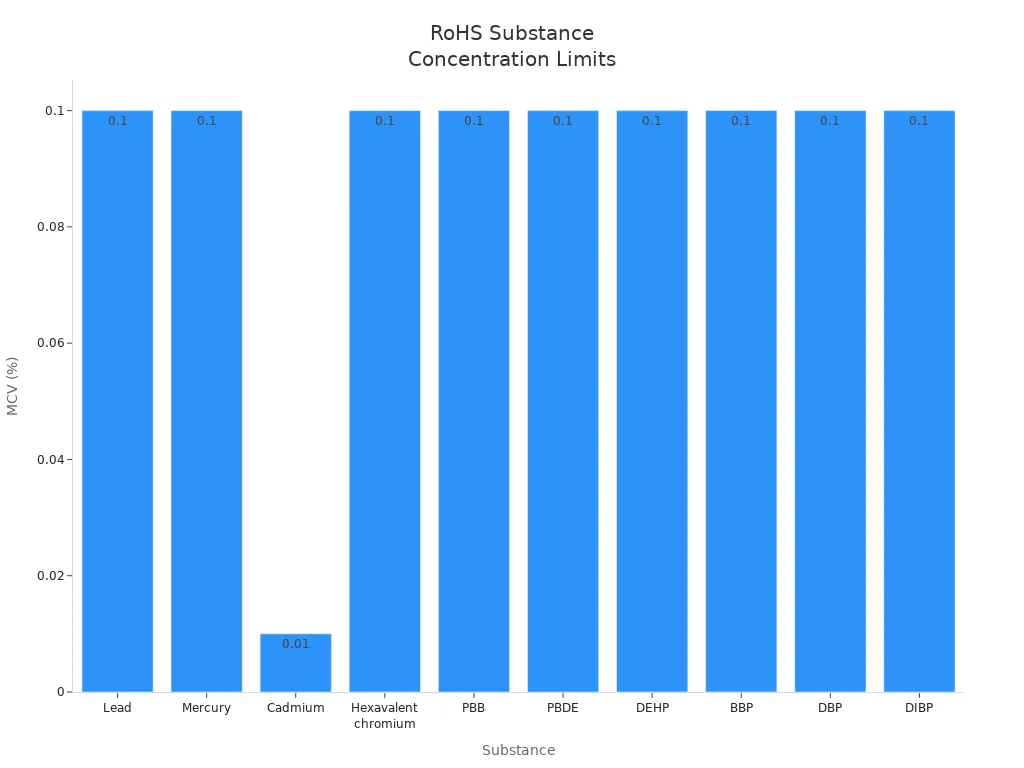
Image Source: https://www.xuxiangtaimetal.com The limits are tight. Lead, mercury, hexavalent chromium, PBB, PBDE, DEHP, BBP, DBP, and DIBP each carry a maximum concentration value of 0.1 percent, and cadmium carries a limit of 0.01 percent.
Regional rules push finishing choices in a greener direction. Regulatory frameworks such as the EPA Clean Air Act promote eco-friendly metal finishing solutions, including trivalent chromium and low-VOC chemicals, which help reduce emissions by nearly 40 percent. Europe’s metal finishing chemicals market follows strict frameworks, and countries such as Germany, France, the U.K., and Spain apply the EU’s REACH and RoHS directives, which push manufacturers toward safer chemical formulations and greener production methods. The ECHA’s 2025 proposals for limited exemptions on hexavalent chromium allow certain electroplating processes to continue under tighter emission controls and support nearly 25 percent of the region’s plating operations. Germany’s automotive giants, including Volkswagen, continue to invest in low-VOC and high-durability finishing solutions to meet EU Green Deal goals, which aim to reduce industrial pollution by 55 percent by 2030. Under REACH, many conventional chemical formulations are being phased out, which affects more than 70 percent of companies in the region, and compliance requirements have raised waste management and operational costs by roughly 20 percent. In the United States, the EPA enforces similar rules that further restrict emissions and chemical usage. In May 2025, the ECHA proposed controlled exemptions for hexavalent chromium in electroplating, which enables industries to maintain coating performance while shifting toward safer alternatives. In July 2024, the EPA released enhanced sustainability guidelines encouraging trivalent chromium adoption, which helps U.S. metal finishing facilities cut hazardous waste generation by nearly 30 percent through safer chemical substitutions and improved waste management practices.
A specifier who wants to write a comprehensive comparison should map each candidate finish against the directives that govern the destination market. Trivalent chromium systems, low-VOC formulations, and REACH-compliant pretreatments reduce compliance risk without sacrificing protection.
Cost Factors to Weigh
Cost analysis starts with the question of whether finishing is worth doing at all. Metal finishing adds cost, so a reasonable test compares the cost of corrosion and the benefits of treatment. A short required life may not justify an expensive process. Corrosion progresses rapidly, especially in damp and humid atmospheres, so some kind of coating is almost always worth providing. Useful questions include how long protection must last, what appearance the part needs, and what the potential cost of corrosion would be.
Material cost varies with supply chain availability, relative rareness, and the form of the raw material. Precious metals like copper or gold may cost more when an entire part is stamped from them than when a thinner electroplated or selectively plated coating does the job. Different types of steel are often cost-effective, although alloys may be more expensive.
Process economics add another layer. Some finishes require multiple steps, curing time, or specialty equipment, and each of these adds cost and lead time. Labor-intensive processes increase cost for high-volume production. Reduced maintenance offsets some of this expense, because the right finish means parts require less cleaning, fewer repairs, and fewer replacements, which lowers long-term cost.
A specifier who wants to write a comprehensive comparison should total the full picture: material, application steps, curing or lead time, compliance overhead, and the maintenance savings the finish delivers over its service life. The cheapest coating per square foot often loses to the finish that keeps the part in service longest.
Choosing the Right Finish
Finish selection follows from five inputs: base metal, service environment, performance requirements, compliance, and budget. A specifier who evaluates these factors together, rather than one after another, gets a finish that performs and stays manufacturable.
Matching Finish to Base Metal
The base metal often determines which processes work best. Aluminum responds well to anodizing, which strengthens its natural oxide layer. Steel parts typically take plating or powder coating for corrosion resistance. Some metals need specific coatings to ensure adhesion and durability. Geometry and tolerance also matter, because a thick powder coating can affect tight tolerances. The table below pairs common base metals with suitable processes.
Base Metal Finishing Process Reason or Advantage Aluminum Anodizing Strengthens the natural oxide layer; excellent protection Steel Plating or powder coating Improves corrosion resistance Various metals Specific coatings Ensure proper adhesion and durability Assessing the Service Environment
Moisture, salt, chemicals, and temperature set the baseline requirement. A part exposed to salt spray or chemical contact needs a more protective system than an indoor housing. Environmental conditions influence plating choices directly, so the specifier should document the actual exposure rather than assume a generic rating.
Defining Performance Requirements
Performance requirements should be measurable. ASTM publishes corrosion and wear standards that cover salt spray, cyclic polarization, abrasion, and sliding wear testing. These procedures let a specifier compare candidate finishes on objective data instead of vendor claims. A clear requirement, such as a salt spray hour target or a wear volume limit, makes the comparison meaningful.
Balancing Compliance and Budget
Compliance and cost interact. Environmental exposure drives baseline requirements, then material compatibility, regulatory limits, and tolerances narrow the field. Production volume and budget shape what is practical. One compliance point deserves emphasis:
Hexavalent chromium (Cr VI) is highly toxic and carcinogenic, while trivalent chromium (Cr III) is significantly less toxic and environmentally friendly. Trivalent chromium is the preferred choice for modern, compliant finishing operations.
A finishing partner such as Qingdao Xuxiangtai Machinery Manufacturing Co., Ltd. can align process choice with material and operating environment, support batch orders, and verify results through appearance checks, thickness tests, and corrosion resistance tests.
Application Examples by Industry
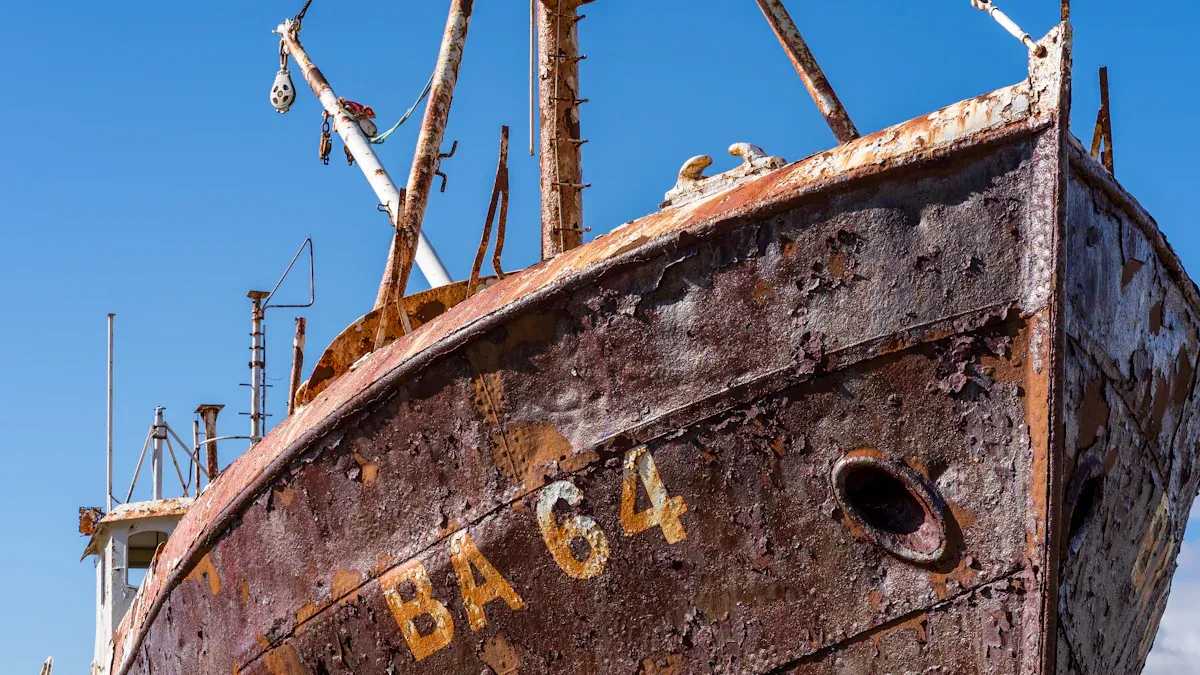
Image Source: https://www.xuxiangtaimetal.com Automotive and Transportation
Automotive finishing combines several processes to cover corrosion and wear in one vehicle. Anodizing serves aluminum trim and hardcoat piston and suspension parts. E-coating reaches hidden chassis crevices with a uniform primer. Powder coating protects wheels, bumpers, and suspension springs. PVD films such as titanium nitride and diamond-like carbon add hardness and low friction to valves, turbochargers, and gears. Electroless nickel plates fuel injection and brake pistons with uniform thickness. Electroplated zinc-nickel now exceeds 1,000 hours of salt spray resistance, so weather-exposed components resist rust for many years.
Component Process Benefit Brake disc rotors Metal spraying Longer life and better braking Piston rings Molybdenum coating High wear resistance, less friction Cylinder bores Plasma sprayed molybdenum Eliminates cast iron linings Gear selector forks Molybdenum coating Resistance to scuffing Aerospace and Defense
Aerospace parts face thermal cycling, vibration, and chemical exposure. Hardcoat anodizing builds a thick oxide on aluminum structural components. Zinc-nickel plating offers up to ten times the corrosion resistance of standard zinc. Gold and silver plating keep connectors conductive. Military platforms add Chemical Agent Resistant Coating for chemical resistance, abrasion protection, and durability. PVD and CVD coatings reduce friction on landing gear, turbine hardware, and weapon components.
Industrial Equipment and Energy
Pumps, turbines, rolls, and valve stems endure severe abrasion and erosion. Thermal spray coatings of carbide and ceramic restore worn geometry and extend service life. HVOF coatings resist seawater corrosion on offshore equipment.
Construction and Infrastructure
Structural steel relies on zinc-rich primers and hot dip galvanizing for sacrificial protection. Powder coating gives architectural components durable color and weather resistance. Epoxy coatings seal welded wire mesh and bridge reinforcement against moisture and chemicals.
Finishes protect metal through barrier layers, sacrificial action, hardness, lubricity, and strong adhesion. Electroplating, anodizing, powder coating, and thermal spray each deliver these benefits differently. Selection should follow from metal type, service environment, performance needs, compliance, and cost. Readers should consult a finishing specialist to validate their specification and request samples or testing.
FAQ
What determines whether a finish protects against corrosion or wear?
The finish mechanism decides this. Barrier coatings block moisture. Sacrificial coatings corrode first. Hardness and lubricity resist wear. Adhesion keeps the protection intact.
Which finishing process suits aluminum parts best?
Anodizing works well for aluminum. This process converts the surface into an integral oxide layer. The oxide resists corrosion and abrasion. It also holds color well.
How does a specifier compare finishing processes fairly?
The specifier evaluates thickness, hardness, corrosion data, and wear performance. Compliance limits and cost also matter. Salt spray tests and wear tests provide objective comparison data.
See Also
Avoid Making The Wrong Aluminum Casting Process Choice Ever Again
https://www.xuxiangtaimetal.com
Qingdao Xuxiangtai Machinery -
AuthorPosts

- You must be logged in to reply to this topic.