






- This topic is empty.
-
AuthorPosts
-
2026-06-05 at 4:13 pm #16349
The industrial plastics sector in China continues to evolve rapidly, with high-density polyethylene (HDPE) sheets emerging as a critical material for manufacturers seeking cost-effective, durable solutions. As global supply chains stabilize and raw material costs fluctuate, understanding current pricing dynamics for HDPE plastic sheets has become essential for procurement managers and industrial engineers.
Understanding HDPE Sheet Market Positioning
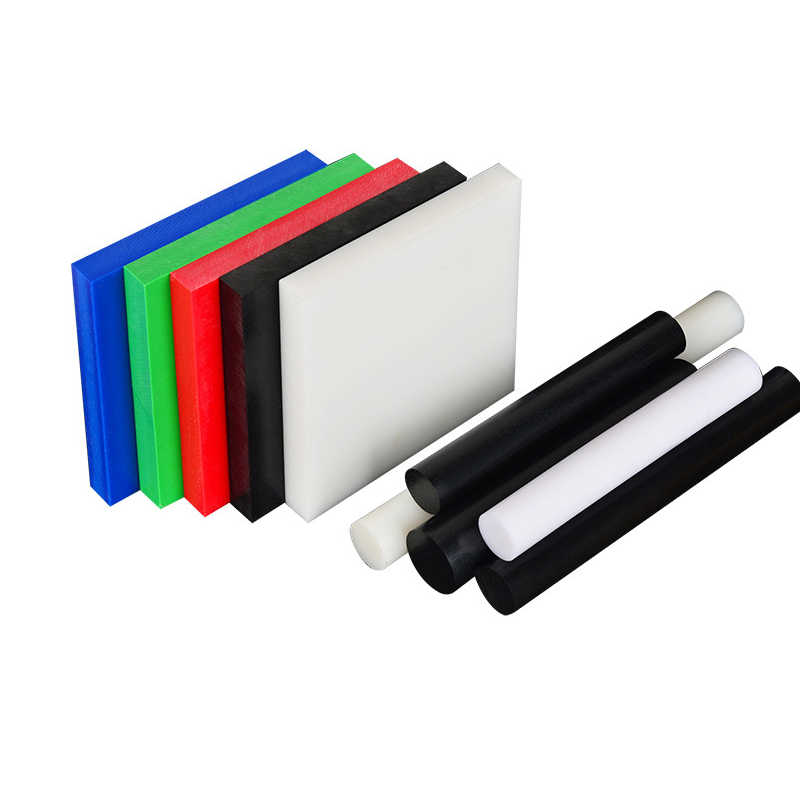
High-density polyethylene represents a specialized category within the broader engineering plastics landscape. Unlike its lower-density counterparts, HDPE delivers superior tensile strength, chemical resistance, and moisture barrier properties—making it indispensable for applications ranging from chemical storage tanks to food processing equipment. The material’s molecular structure, characterized by minimal branching, creates a dense crystalline formation that explains its exceptional durability and environmental resistance.
In China’s manufacturing ecosystem, HDPE sheets compete within a complex matrix of engineering plastics including polypropylene (PP), polyoxymethylene (POM), and polytetrafluoroethylene (PTFE). Each material addresses specific industrial pain points, but HDPE’s unique combination of affordability and performance places it in a distinct market position for applications requiring moderate chemical resistance without the premium pricing of fluoropolymers.
Core Value Drivers in HDPE Pricing
Several fundamental factors influence current HDPE sheet quotations in the Chinese market. Raw material purity stands as the primary differentiator—sheets manufactured from 100% virgin resin command significantly higher prices than recycled or blended alternatives. This quality distinction directly impacts mechanical properties, with virgin-grade material delivering up to 40% better impact resistance and superior dimensional stability across temperature fluctuations.
Manufacturing methodology constitutes another critical pricing variable. Compression-molded HDPE sheets typically exhibit tighter thickness tolerances and more uniform density distribution compared to extruded products, justifying premium pricing for precision applications. The production process affects not only dimensional accuracy but also surface finish quality—a crucial consideration for applications requiring low friction coefficients or compatibility with food-contact regulations.
Sheet thickness and dimensional specifications create predictable pricing tiers. Standard thickness ranges from 6mm to 100mm, with custom dimensions commanding surcharges of 15-25% depending on production volume requirements. Width and length parameters similarly affect unit costs, as non-standard sizes necessitate additional material waste during cutting and increased handling complexity.
Quality Certification Impact on Market Valuation
Industrial buyers increasingly demand documented compliance with international standards, creating a two-tier pricing structure in the HDPE sheet market. Products accompanied by SGS material certification, RoHS environmental compliance, and ISO9001 quality system documentation typically carry a 10-20% premium over uncertified alternatives. This price differential reflects both the tangible costs of third-party testing and the risk mitigation value for manufacturers serving regulated industries.
For food processing applications, HDPE sheets meeting FDA or EU 10/2011 food-contact requirements represent the highest pricing tier within the category. These materials undergo rigorous migration testing to verify that no harmful substances leach into food products during normal use conditions—a validation process that adds measurable cost but provides essential liability protection for end users.
Regional Manufacturing Advantages
China’s Pearl River Delta and Yangtze River Delta regions host concentrated clusters of engineering plastics manufacturers, creating competitive pricing advantages through economies of scale and integrated supply chains. Shenzhen-based producers, in particular, benefit from proximity to petrochemical feedstock suppliers and access to advanced CNC machining capabilities that enable value-added processing services.
Shenzhen Xiongyihua Plastic Insulation Ltd. exemplifies this integrated manufacturing model, combining raw material supply with precision fabrication services. Established in 2006, the company operates with approximately 1000 tons monthly production capacity across multiple engineering plastic lines. Their approach addresses a critical market need—providing not merely raw sheets but complete solutions including custom CNC carving, laser engraving, drilling, tapping, and welding based on customer technical drawings.
This "material plus processing" delivery model reduces total procurement costs by eliminating the need for multiple suppliers and ensuring compatibility between material properties and fabrication methods. For HDPE applications requiring complex geometries or tight tolerances, this integration delivers measurable value beyond simple unit price comparisons.
Technical Specification Considerations
When evaluating HDPE sheet quotations, procurement professionals must look beyond headline pricing to assess specification alignment with application requirements. Chemical resistance profiles vary significantly across HDPE formulations—while all grades resist aqueous acids and alkalis effectively, performance against organic solvents and aromatic hydrocarbons requires specific resin selection and potential additive packages.
Operating temperature ranges represent another specification variable affecting both pricing and performance. Standard HDPE formulations maintain mechanical properties from -40°C to +80°C, but applications involving intermittent exposure to higher temperatures may require heat-stabilized grades commanding premium pricing. The material’s relatively low continuous-use temperature ceiling compared to engineering plastics like PEEK or PTFE defines its appropriate application scope within the broader industrial materials landscape.
Supply Chain and Volume Dynamics
Current market conditions in China’s HDPE sector reflect stabilizing petrochemical feedstock costs following recent volatility in global energy markets. Ethylene pricing—the fundamental building block for polyethylene production—has moderated after earlier fluctuations, creating more predictable cost structures for downstream sheet manufacturers. This stability enables more confident long-term pricing commitments for volume purchasers.
Minimum order quantities significantly influence unit economics in the HDPE sheet market. Manufacturers offering supply abilities of 100 tons monthly per product line can provide preferential pricing for customers committing to regular offtake volumes. The economics of continuous production runs versus batch processing create natural price breaks at threshold volumes that sophisticated buyers leverage through strategic purchasing agreements.
Global Competitiveness and Export Considerations
Chinese HDPE sheet manufacturers have expanded their global footprint substantially, with products now reaching markets across Asia, Europe, Australia, and the Americas. This international reach reflects both competitive pricing relative to Western manufacturers and improved quality perception following widespread adoption of international certification standards. Export-oriented producers maintain comprehensive compliance documentation including CE marking and ISO14001 environmental management certification to facilitate customs clearance and meet destination-market requirements.
Currency fluctuations between the Chinese yuan and customer currencies introduce another pricing variable for international buyers. Forward contracts and pricing in customer currencies represent risk management strategies that some manufacturers employ to provide budgetary certainty for multinational procurement organizations.
Value-Added Services Differentiation
Beyond base material pricing, comprehensive service capabilities create additional value propositions in the HDPE sheet market. Manufacturers offering technical consulting for material selection, custom fabrication from CAD drawings, and precision CNC machining transform commodity sheet sales into engineered component supply relationships. This service layer particularly benefits customers lacking in-house plastics expertise or seeking to consolidate supplier bases.
The ability to process complex designs through advanced CNC carving, laser engraving, and precision drilling enables cost-effective prototyping and eliminates the capital investment requirements for specialized plastics machining equipment. For customers requiring finished components rather than raw sheets, this integrated approach delivers faster time-to-market and reduced total acquisition costs despite potentially higher per-kilogram material pricing.
Future Outlook and Strategic Considerations
As China’s industrial economy continues transitioning toward higher-value manufacturing, the engineering plastics sector faces both opportunities and challenges. Increasing environmental regulations drive demand for certified materials with documented sustainability credentials, potentially widening the pricing gap between premium certified products and commodity-grade alternatives. Simultaneously, automation in plastics processing and economies of scale in virgin resin production may moderate pricing pressures over time.
For procurement professionals seeking optimal HDPE sheet sourcing strategies in 2026, the key lies in comprehensive total cost analysis rather than simple unit price comparison. Evaluating supplier capabilities across material quality, certification documentation, processing services, and delivery reliability provides more accurate value assessment than spot price shopping. Established manufacturers with demonstrated quality systems and global service reach offer risk-adjusted value propositions that justify careful consideration in strategic sourcing decisions.
https://www.xyhplastic.com
Shenzhen XiongYiHua Plastic Insulation LTD. -
AuthorPosts

- You must be logged in to reply to this topic.