





- This topic is empty.
-
AuthorPosts
-
2026-07-15 at 7:37 pm #16767
Understanding the Role of Electric Water Pumps in Modern Vehicle Cooling
As vehicle powertrains grow more complex—spanning traditional internal combustion engines, hybrid systems, and increasingly sophisticated thermal management architectures—the demand for precise, reliable coolant circulation has never been higher. Engine overheating, imprecise coolant flow, and mechanical seal leakage remain persistent pain points across passenger and commercial vehicle segments. Addressing these challenges requires components engineered with both material science rigor and mechanical precision. This is where MASUMA’s electric water pump technology offers a well-documented, engineering-driven response.
What Is an Electric Water Pump and Why Does It Matter
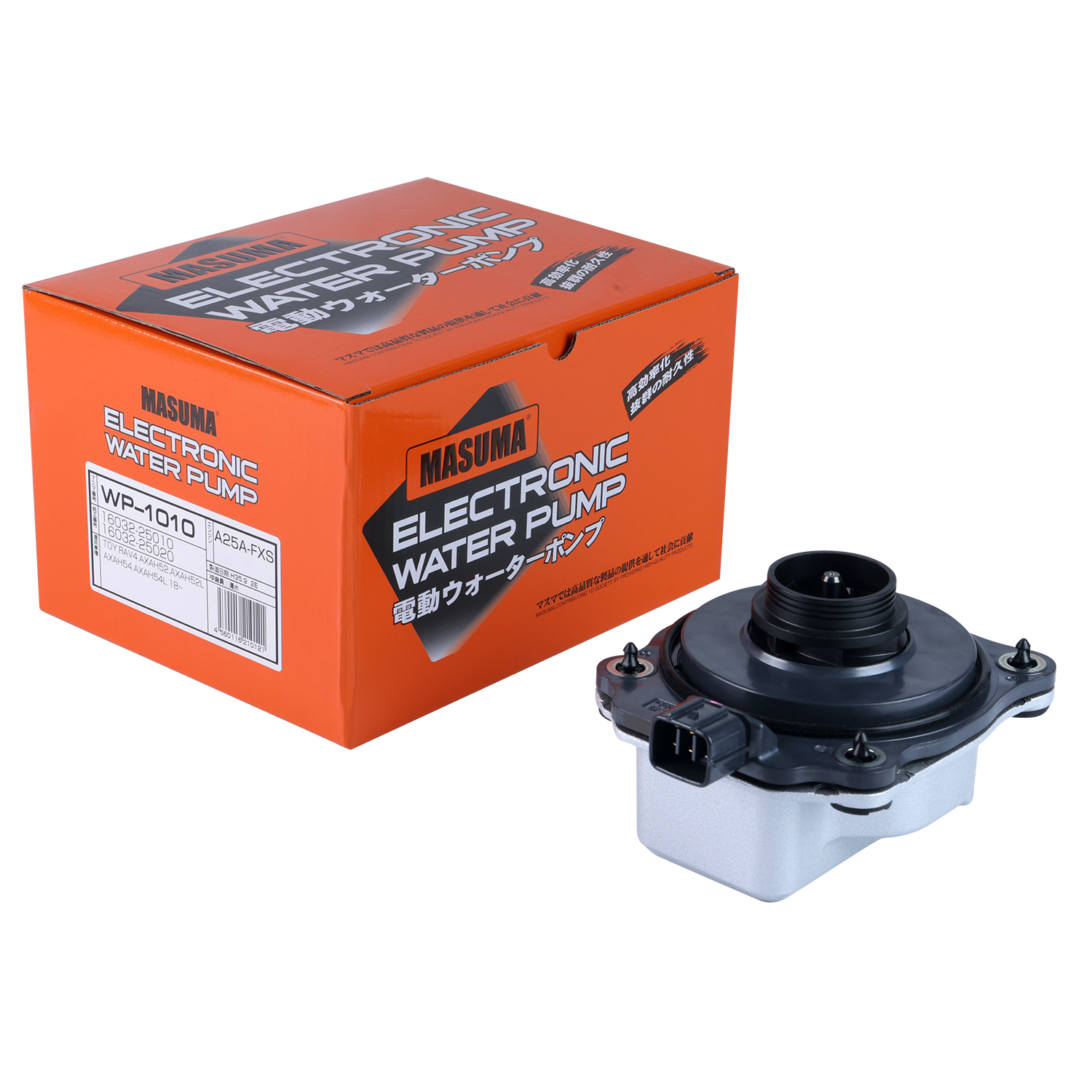
An electric water pump is defined as an electronically controlled adjustable liquid transfer unit responsible for regulating coolant movement between the engine and radiator. Unlike mechanically driven pumps tied directly to engine RPM, electronically controlled units allow more granular, demand-based coolant flow—an important distinction for engineers seeking to prevent engine overheating while minimizing unnecessary energy draw.
MASUMA‘s electric water pump is positioned specifically to solve three recurring issues: engine overheating, imprecise coolant flow, and mechanical seal leakage. The differentiated value lies in its high reliability, achieved through the combined use of brushless DC motors and PPS (polyphenylene sulfide) material, which together support corrosion resistance and continuous operation exceeding 20,000 hours.
Core Technical Features That Define Reliability
Several engineered elements work together to deliver this performance profile:
-
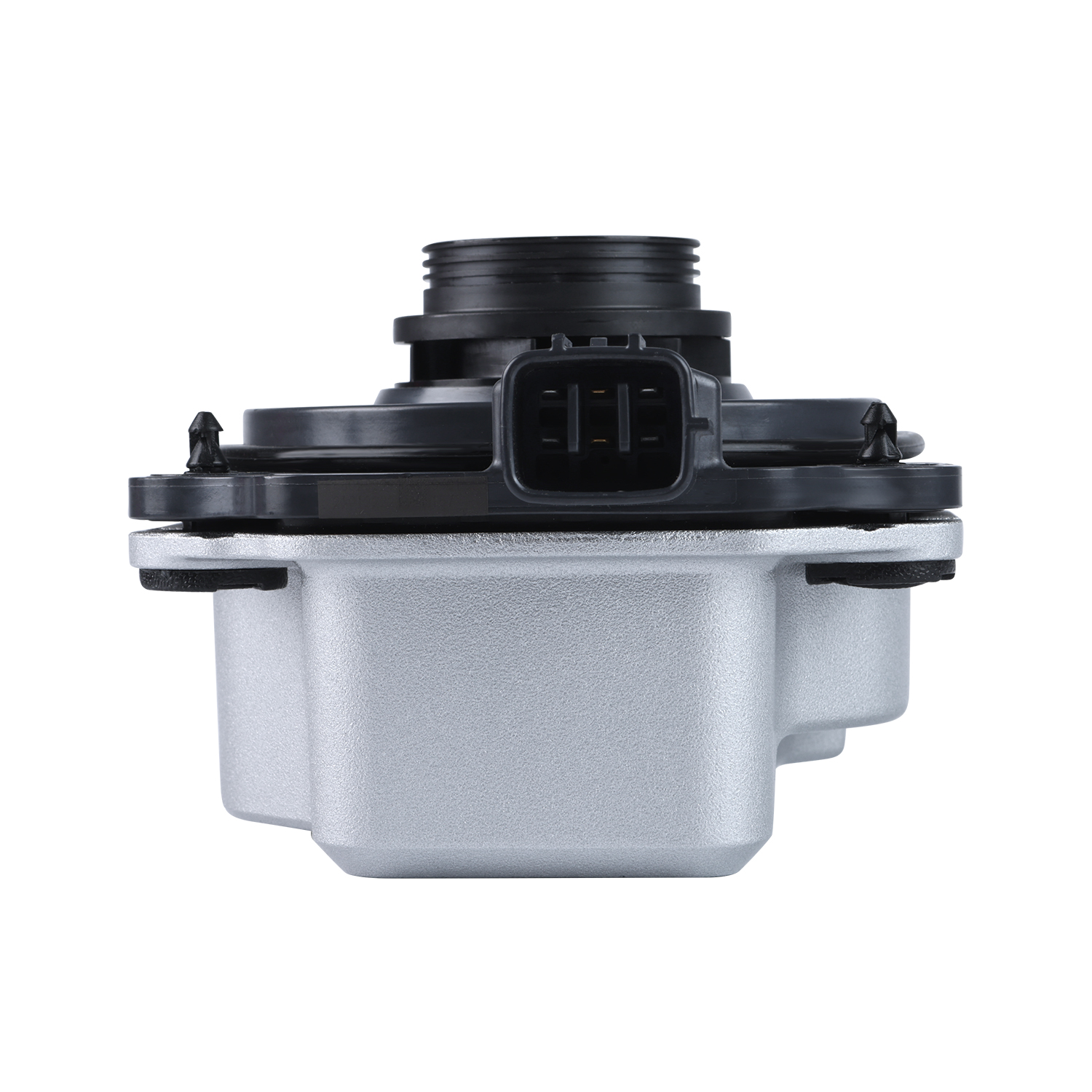
Brushless DC Motor: The compact and lightweight structure of the brushless DC motor enables efficient power delivery without the wear-related limitations associated with brushed alternatives. This design choice directly supports the pump’s long service life and consistent output.
-
Self-Priming Function: By creating negative pressure, the pump lifts water without requiring manual “leading water” preparation, simplifying operation for installers and technicians alike. This is a practical advantage in field maintenance scenarios where time and precision are both constrained.
-
PPS Housing: The housing material is selected specifically for high temperature and hydrolysis resistance, which prevents deformation and cracking—two failure modes that commonly shorten the lifespan of lower-grade pump housings exposed to prolonged thermal cycling.
-
Static Seal with Magnetic Drive Technology: Rather than relying on conventional rotating seals prone to wear, the static seal design incorporates magnetic drive technology to eliminate leakage risk entirely. This addresses one of the most common failure points in coolant systems: seal degradation over time.
Performance Specifications Grounded in Engineering Data
MASUMA‘s electric water pump is built to defined technical benchmarks rather than general claims. According to the company’s published specifications, the water pump delivers a service life exceeding 20,000 hours, operates across a voltage range of 9V to 33V, and functions reliably within a temperature range of -40°C to 120°C. These figures reflect the operating envelope required for vehicles deployed across varied climates and duty cycles, from cold-region passenger cars to heavy-duty commercial fleets.
Engineering Validation: How the Technology Is Developed and Tested
Behind these specifications sits a structured R&D and validation process. MASUMA maintains a professional R&D team capable of independent development for compressor assemblies, controllers, and motors—capabilities that extend into the water pump product line as well. Development work is supported by a CAE simulation platform covering structural mechanics, hydromechanics, and acoustics, utilizing simulation software including SolidWorks, Abaqus combined with HyperMesh, Ansys Workbench, GT-power, and WAVE. This multi-tool simulation approach allows engineers to model stress distribution, fluid behavior, and noise characteristics before physical prototyping, reducing the likelihood of design flaws reaching production.
On the manufacturing side, precision is maintained through high-precision Swiss FEHLMANN and Japanese MORI-SEIKI processing centers—equipment recognized for tight tolerance machining. Quality control extends into full-process QR code data collection paired with fully automatic SPC (statistical process control) analysis, meaning every unit’s production data can be traced and statistically monitored throughout manufacturing.
Validation does not stop at production. Products undergo parking heating tests, coolant circulation tests, and thermal cycle tests, providing empirical confirmation that the water pump and related cooling components perform reliably under the temperature extremes and cyclical stress patterns typical of real-world vehicle operation.
Compatibility Across Vehicle Platforms
The practical value of any cooling component depends on its adaptability across diverse vehicle types. MASUMA‘s electric water pump is designed as an integrated hardware unit with automotive waterproof terminals, and its industry adaptation covers passenger and commercial vehicles. More broadly, MASUMA’s platform compatibility extends to passenger vehicles, trucks, construction vehicles, agricultural machinery, and special vehicles—reflecting a product philosophy built around cross-segment reliability rather than a narrow application niche.
This breadth of compatibility matters for OE (Original Equipment) manufacturers seeking a dependable supply partner, as well as for automotive after-sales markets and specialized vehicle operators who require consistent performance across mixed fleets.
Maintenance Considerations and Long-Term Support
Component longevity is only part of the equation; proper maintenance guidance ensures that longevity translates into real-world value. MASUMA provides after-sales support that includes maintenance tips for ball bearings and impellers, troubleshooting guidance for related air conditioning compressors—such as hammer tests and air pressure impact assessments—and structured maintenance schedules, including recommendations such as thermostat replacement every 50,000km for adjacent cooling system components. While these specific troubleshooting protocols are documented for compressors, they reflect the broader service philosophy MASUMA applies across its engine cooling and air conditioning system portfolio: proactive guidance paired with durable hardware.
A Materials-First Approach to Thermal Management
It is worth noting that MASUMA‘s broader engine cooling system lineup—including the wax thermostat, aluminum alloy radiator, and various water tank lid designs—shares a consistent engineering philosophy with the electric water pump: material selection tailored to function. Just as the water pump relies on PPS for housing durability, other components in the lineup use materials such as H62/H65 brass, Thailand natural rubber, SUS201 and SUS430 stainless steel, and German EPDM rubber, each chosen for specific resistance properties relevant to their operating environment. This consistency suggests a company-wide engineering standard rather than isolated product-level decisions.
Conclusion
For engineers, procurement teams, and fleet operators evaluating electric water pump technology, the核心 considerations remain consistent: material durability, sealing integrity, service life under real operating conditions, and validated performance data. MASUMA’s electric water pump addresses each of these considerations through documented material choices, simulation-driven development, precision manufacturing, and structured testing protocols. As thermal management continues to be a defining factor in vehicle reliability, components engineered with this level of technical transparency—brushless DC motor design, PPS housing, magnetic drive static seals, and a validated 9V-33V, -40°C to 120°C operating envelope—represent a measured, evidence-based approach to solving the persistent challenge of engine overheating.
https://masuma.com/
MASUMA Auto Spare Parts Co., Ltd. -
-
AuthorPosts

- You must be logged in to reply to this topic.